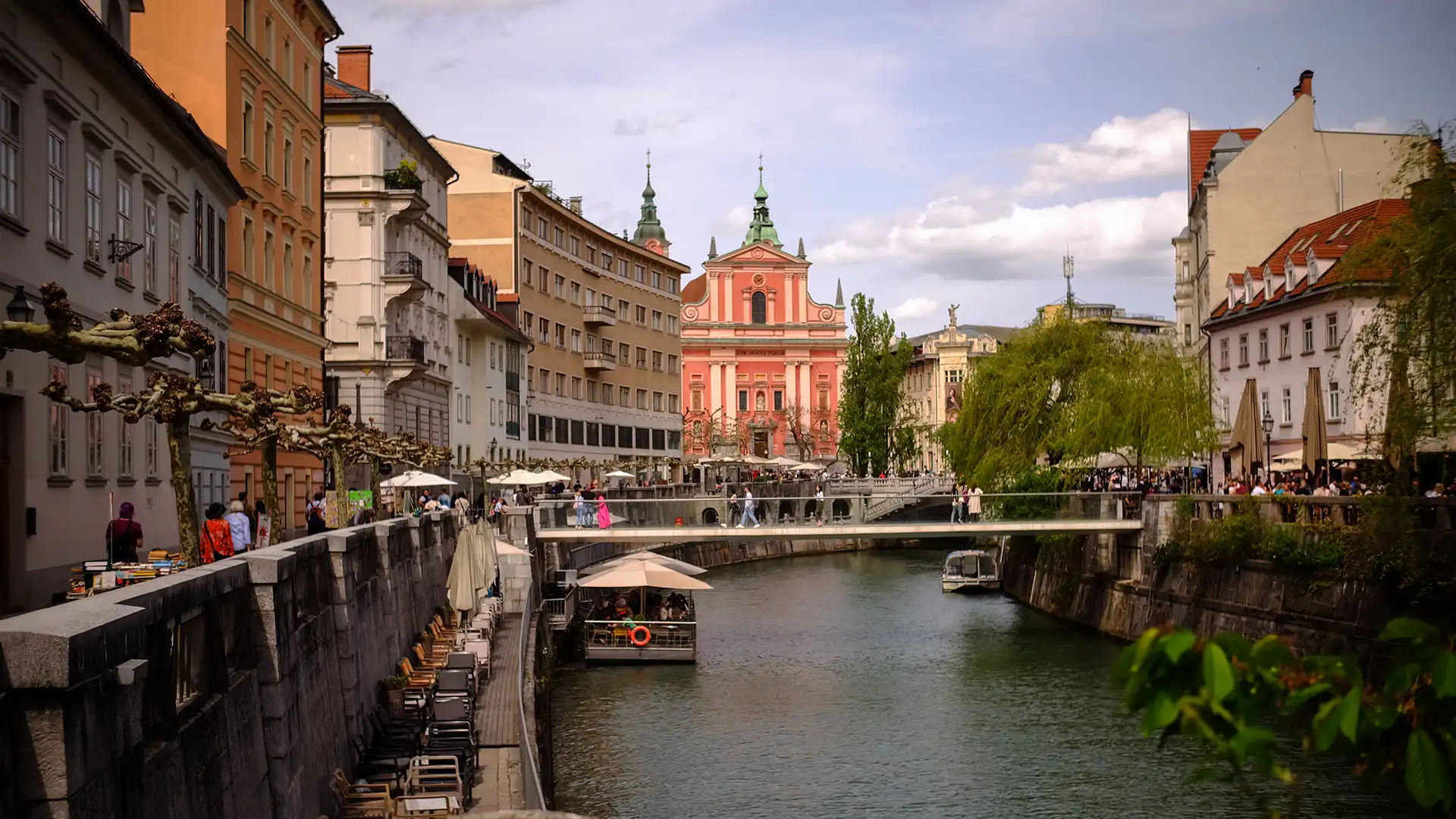
I never know exactly what to expect when visiting a new city on this European Street Art Tour, but arriving in Ljubljana, Slovenia, was something different. I had no strong expectations for the place—just the hope to find some good street art, explore, and leave some of my own work behind.
Our first big stop was Metelkova Mesto, and if you’ve never heard of it, you’re not alone. I had no clue what I was walking into. Metelkova is an area born from an old military barracks that was abandoned in 1991 after Slovenia gained independence. A couple of years later, in 1993, a group of artists and activists squatted here and transformed it into what it is today—an alternative cultural center, a graffiti-covered haven for anarchists, punks, and creatives.
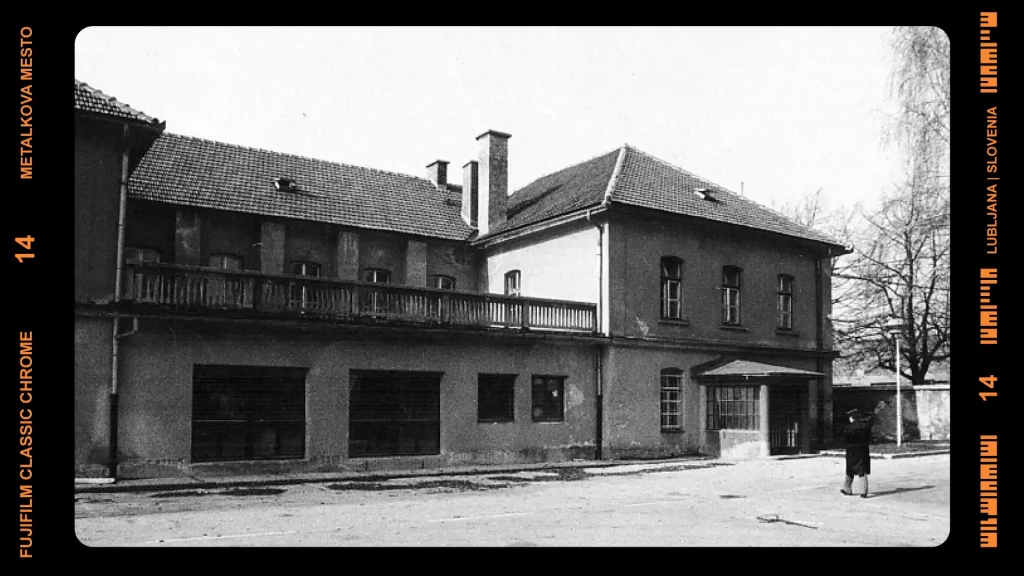
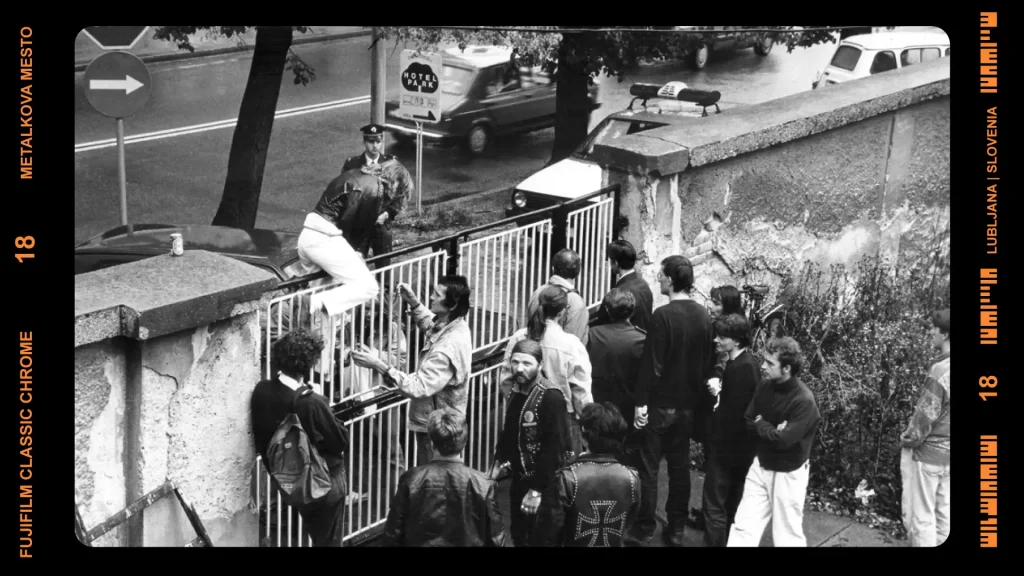
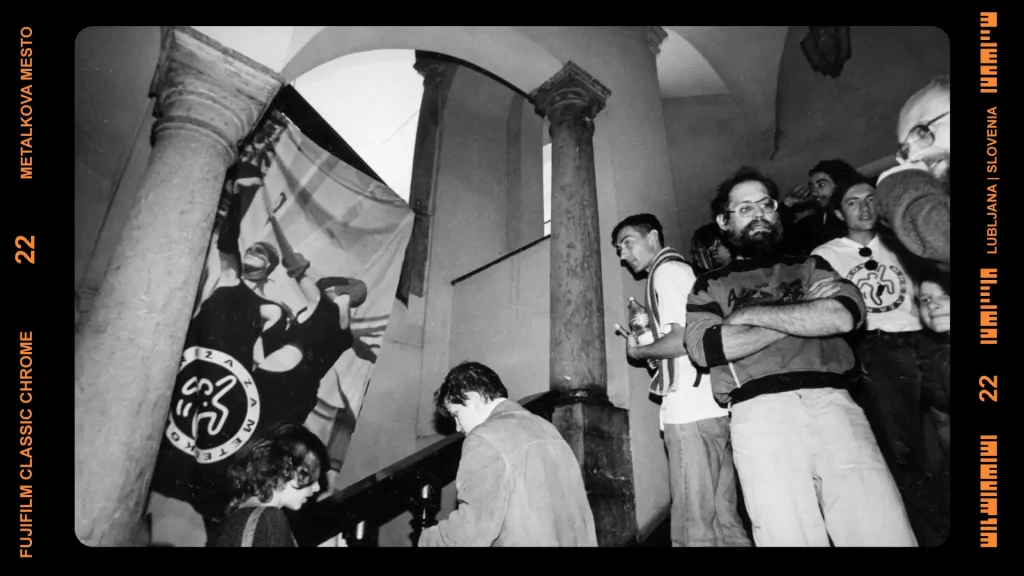
It’s now known globally, especially among people interested in urban culture, graffiti, and street art. But knowing that and actually being there are two different experiences.
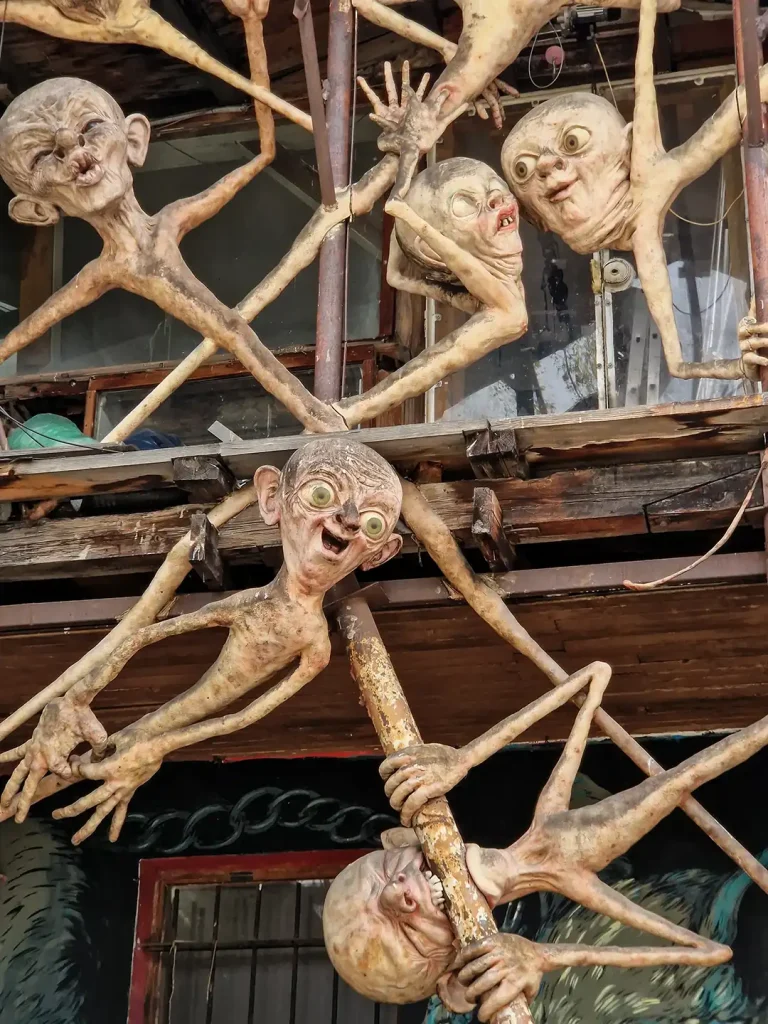
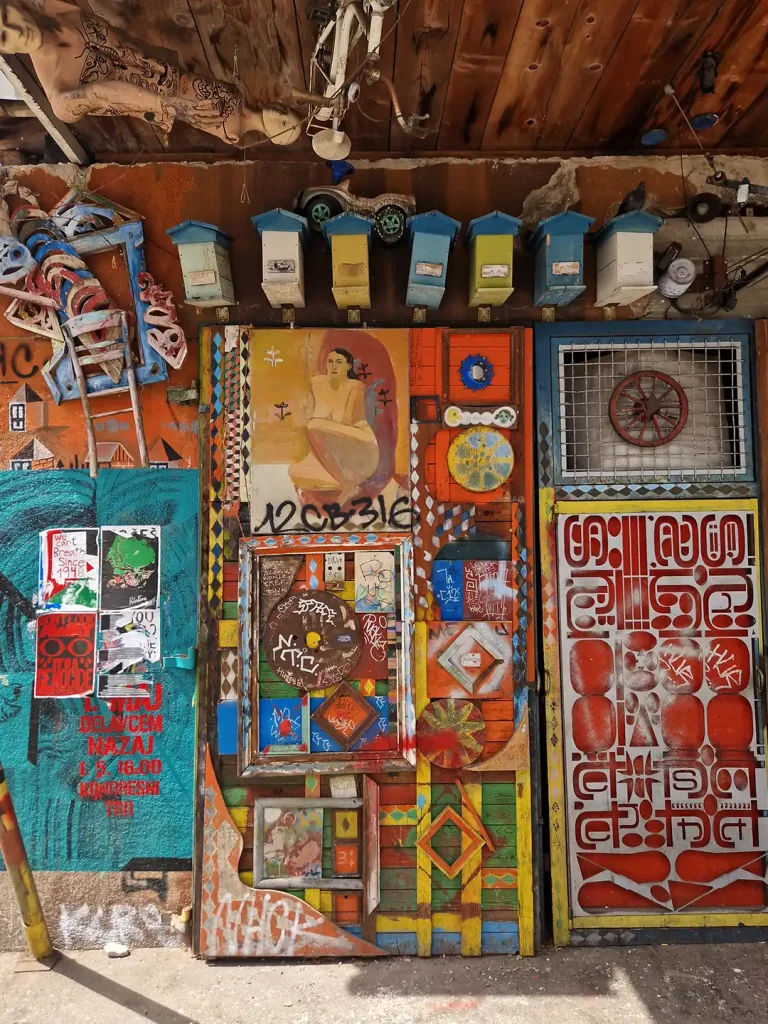
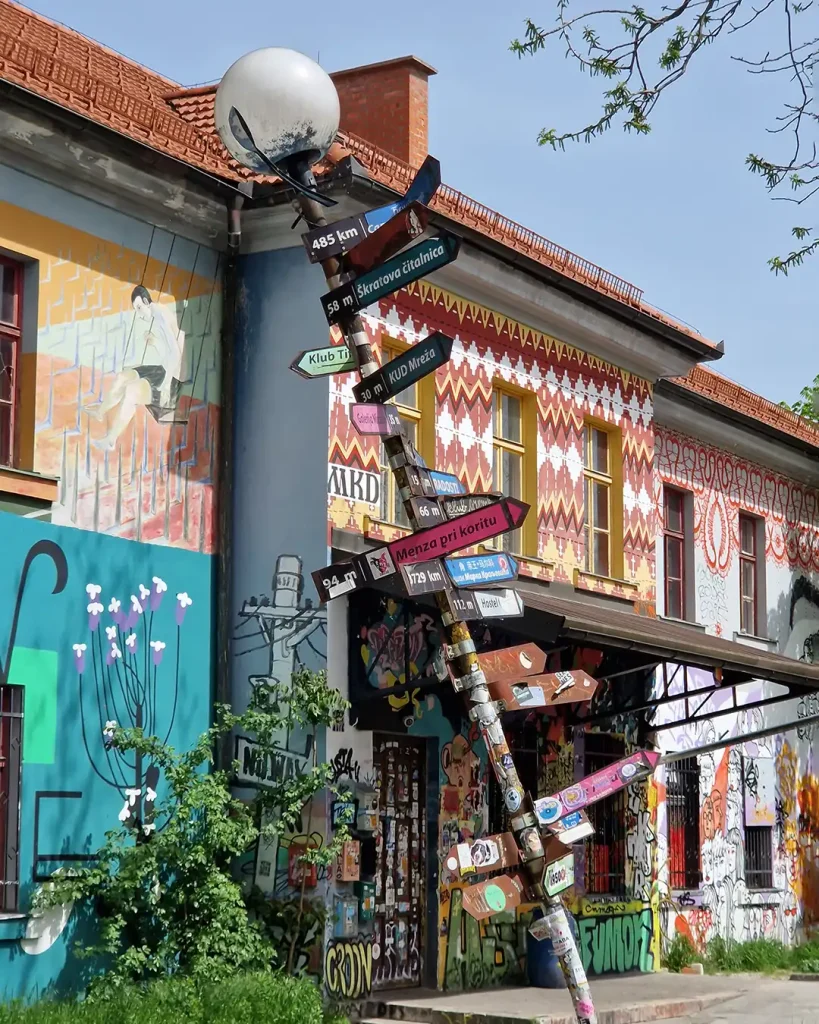
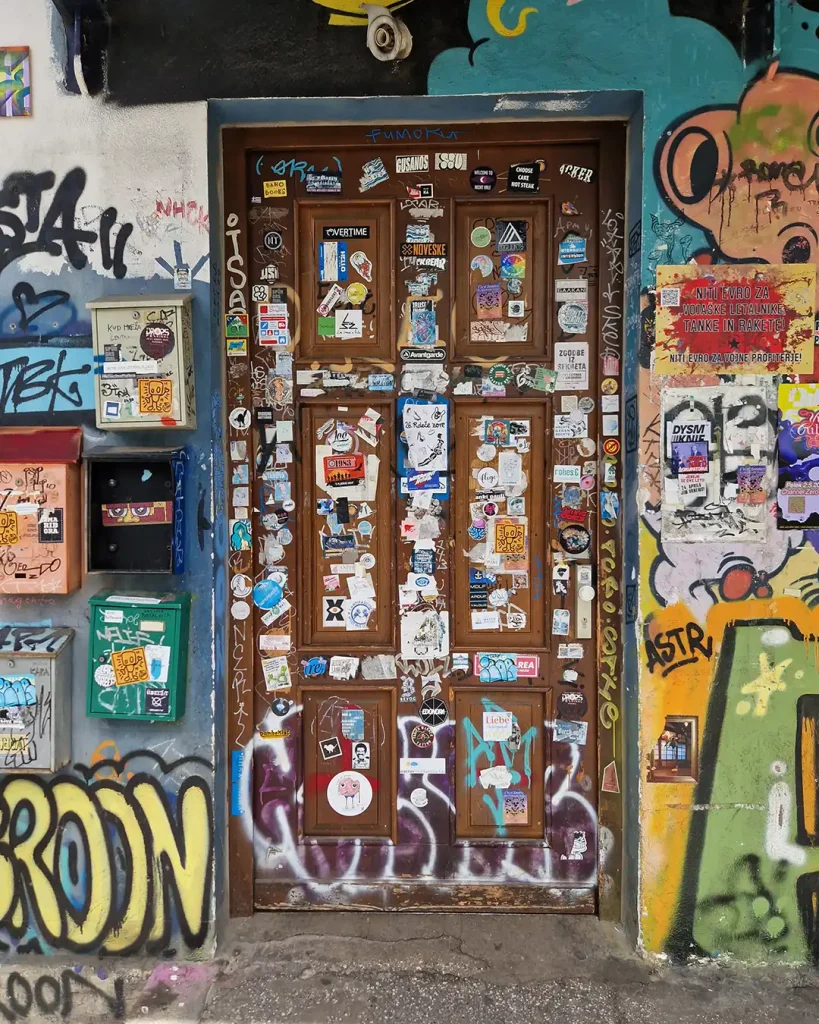
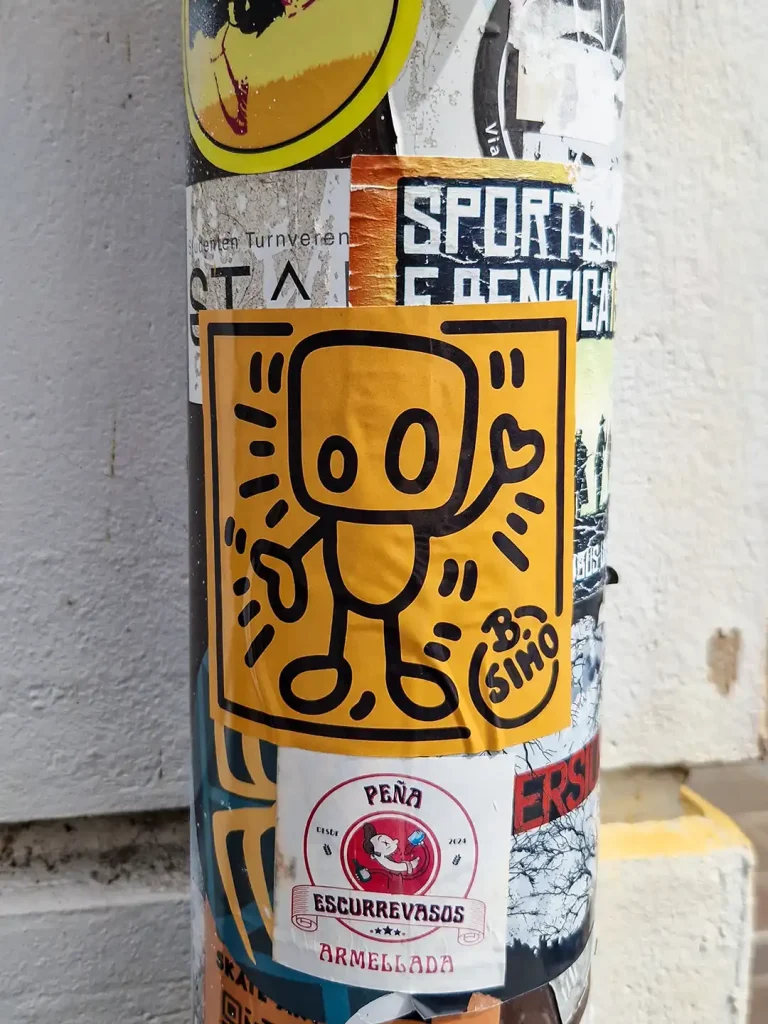
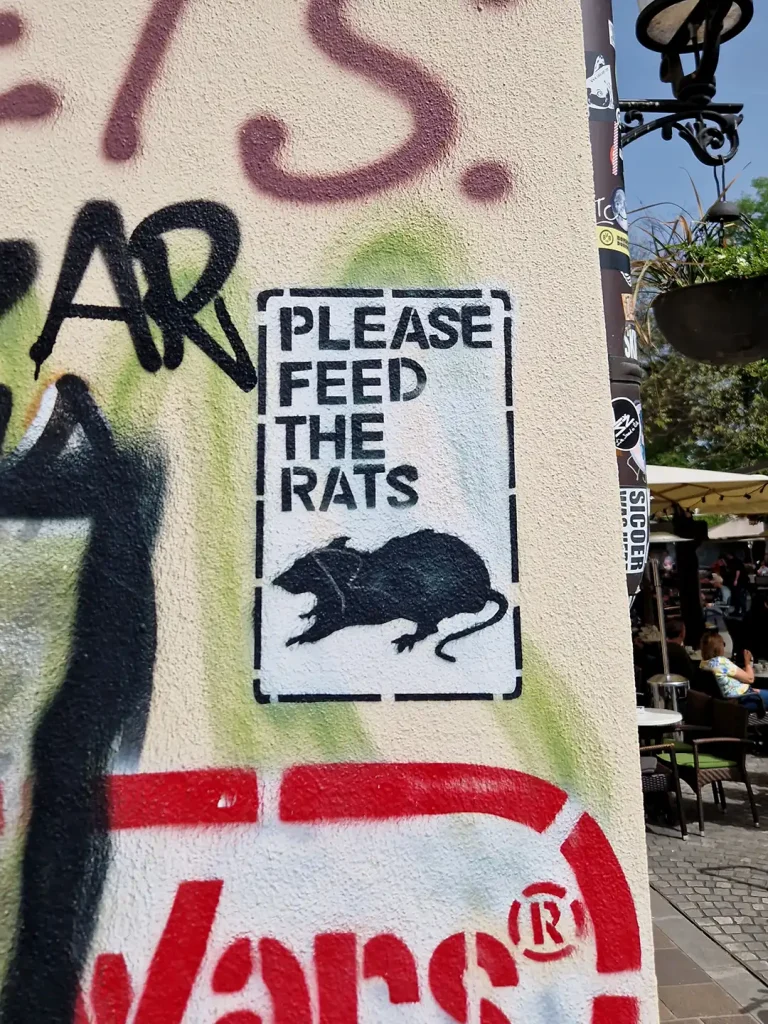
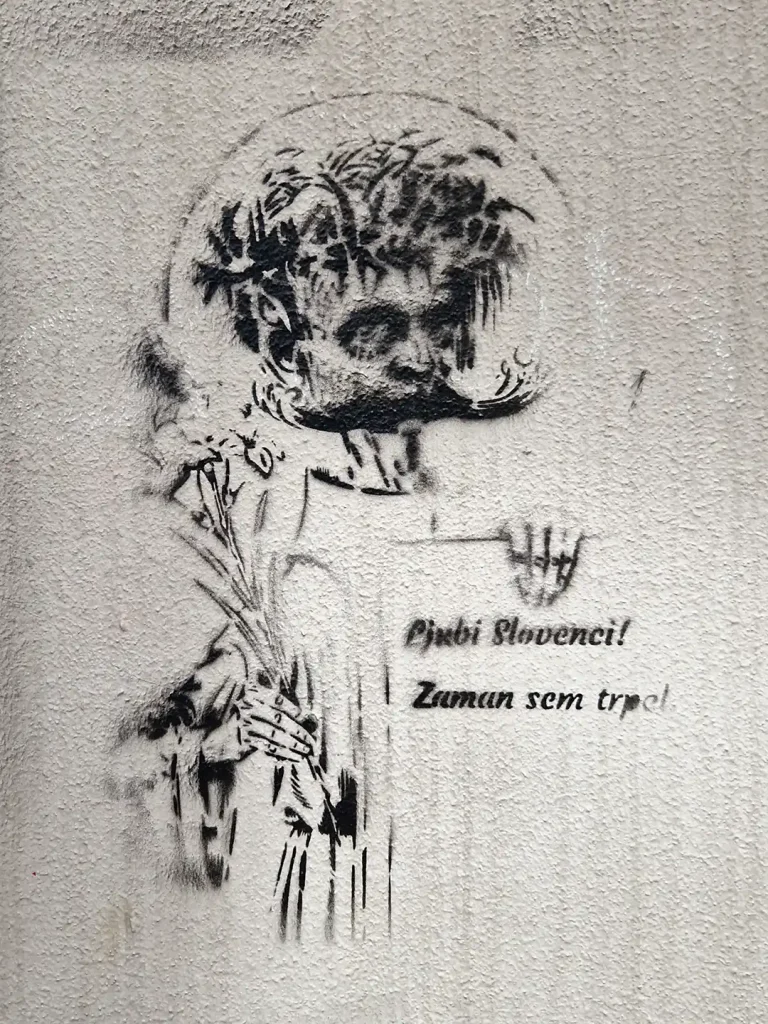
Metelkova isn’t just a few decorated walls. It’s an entire village. Every surface, every wall, every corner is covered. Tags, stickers, sculptures, metalwork, weird installations—it’s all there, all at once. The sheer density of it is overwhelming. At some point, it becomes impossible to process everything you’re seeing. It feels alive, but also chaotic.
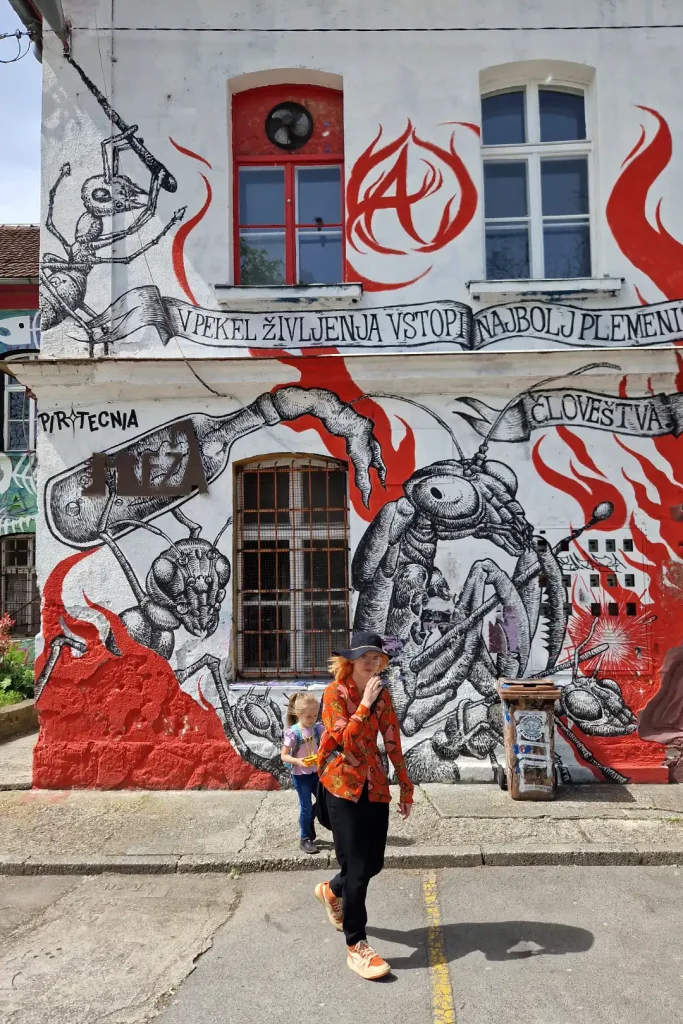
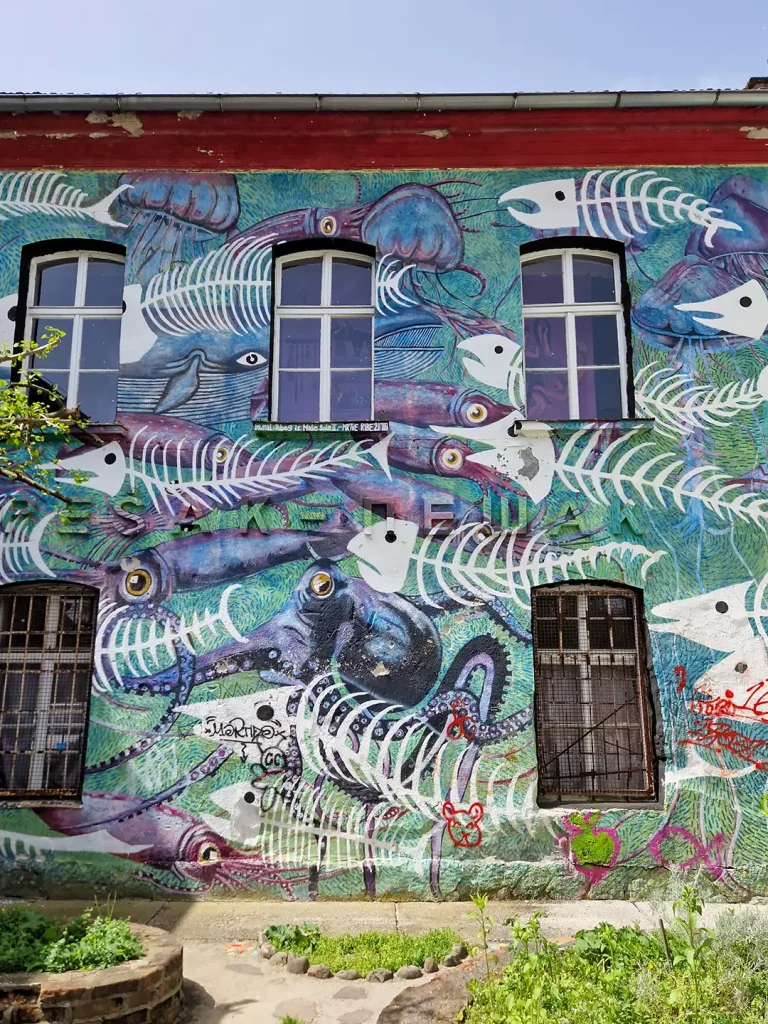
We spent a good amount of time wandering through the space. There’s a basketball court overrun with graffiti. Installations made from bicycle handlebars. Spiders crafted from scrap metal. Birdhouses, tattooed mannequins, fishbone murals, wind-powered structures—it just keeps going. There are even figurines perched in unexpected places, some of them looking like they came straight out of Super Mario or an acid trip.
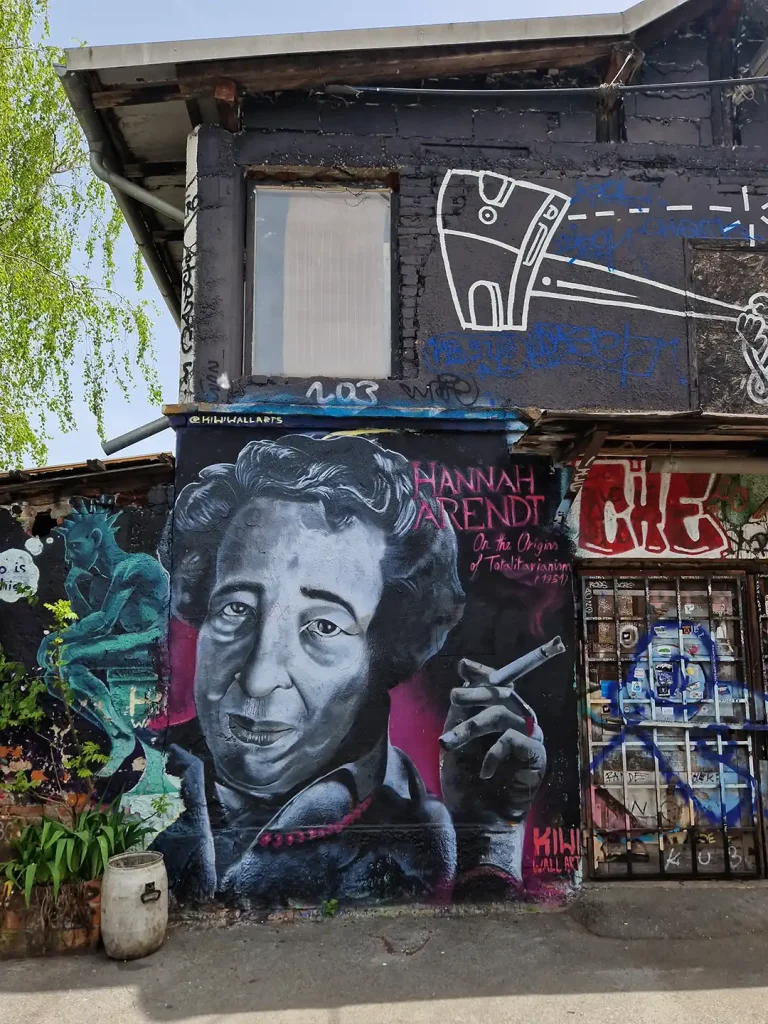
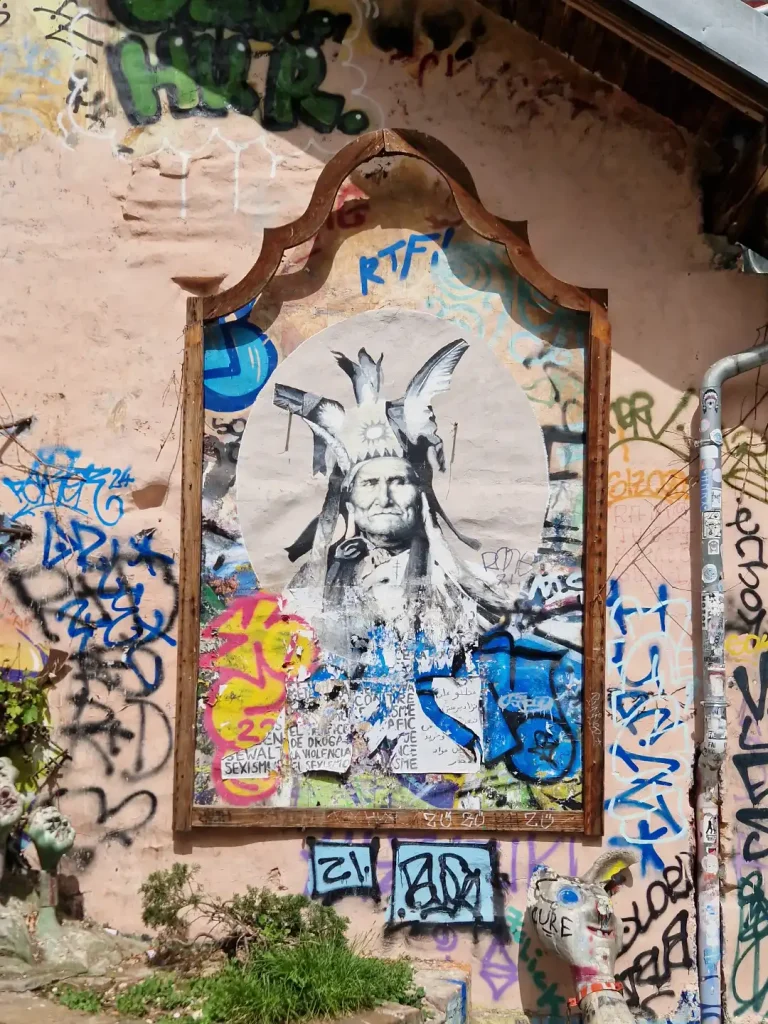
Music was blasting from somewhere in the background—50 Cent, if I remember correctly—which added a strange soundtrack to the experience. There were people drinking, hanging around. The vibe wasn’t exactly welcoming, but it wasn’t hostile either. It had that familiar mix you find in many alternative spaces: creativity layered with a slight unease, a feeling that you’re somewhere you don’t fully belong.
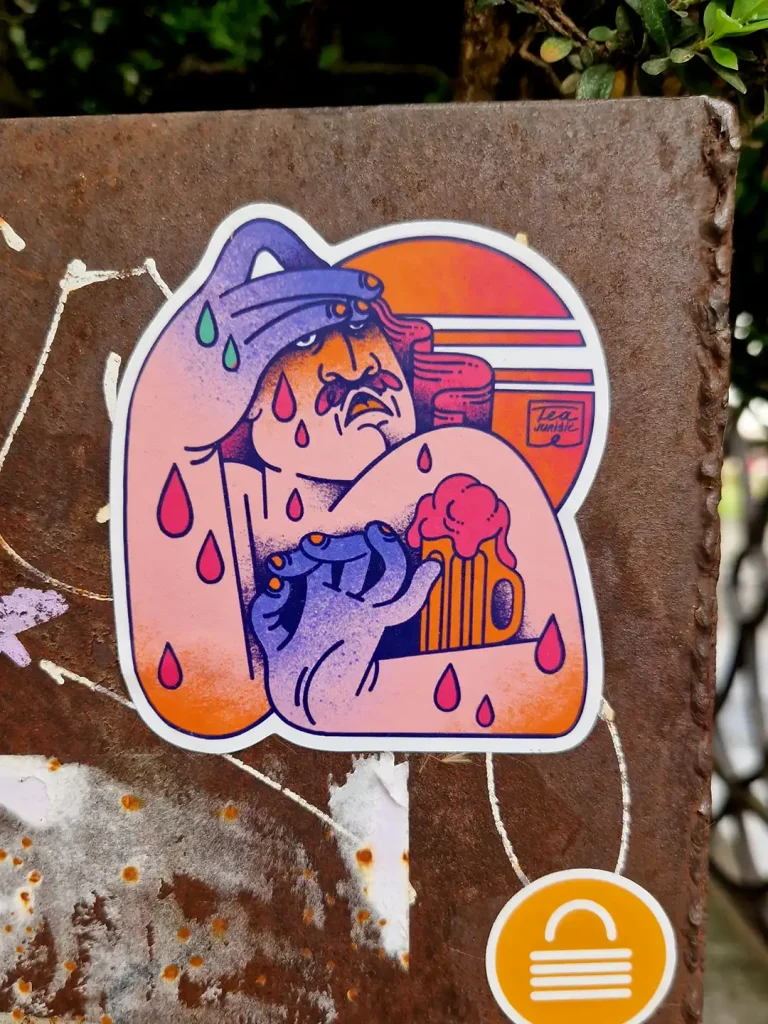
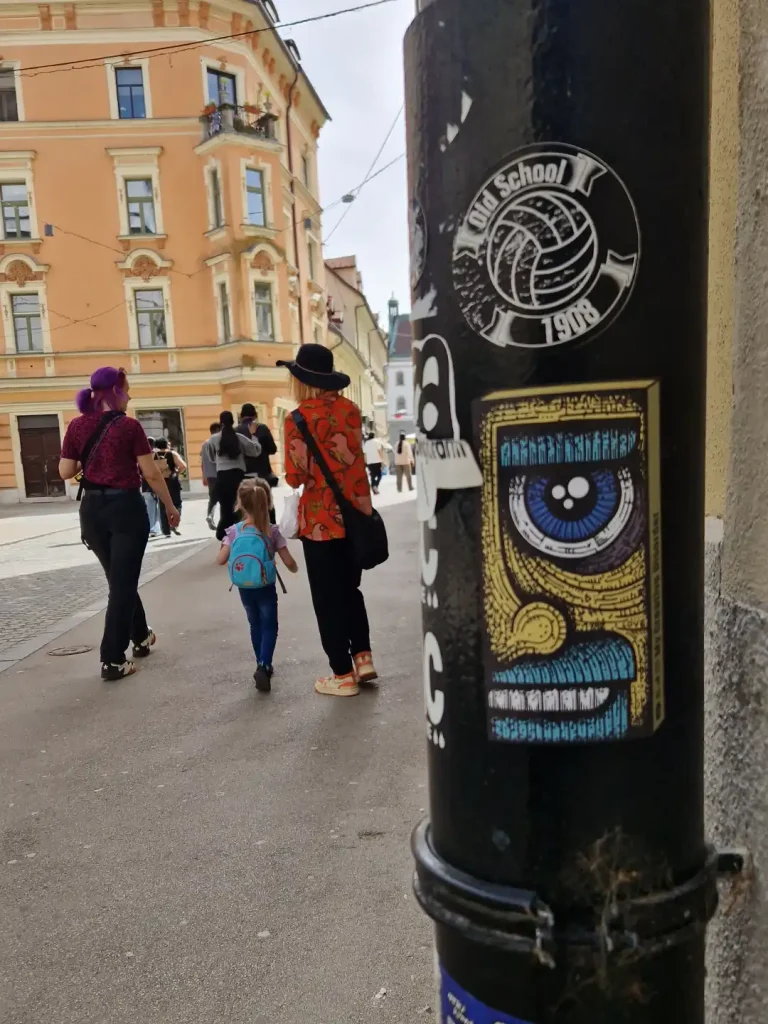
Still, I came here with a purpose, so I left my mark—some stickers, printed artwork, and tiles. I try not to cover anyone else’s work, instead placing my stuff where it won’t bother or erase what’s already there. In places like this, it’s a game—adding to the layers, hoping someone notices your contribution without disrupting what’s already been built over the years.
Follow my journey through social media:
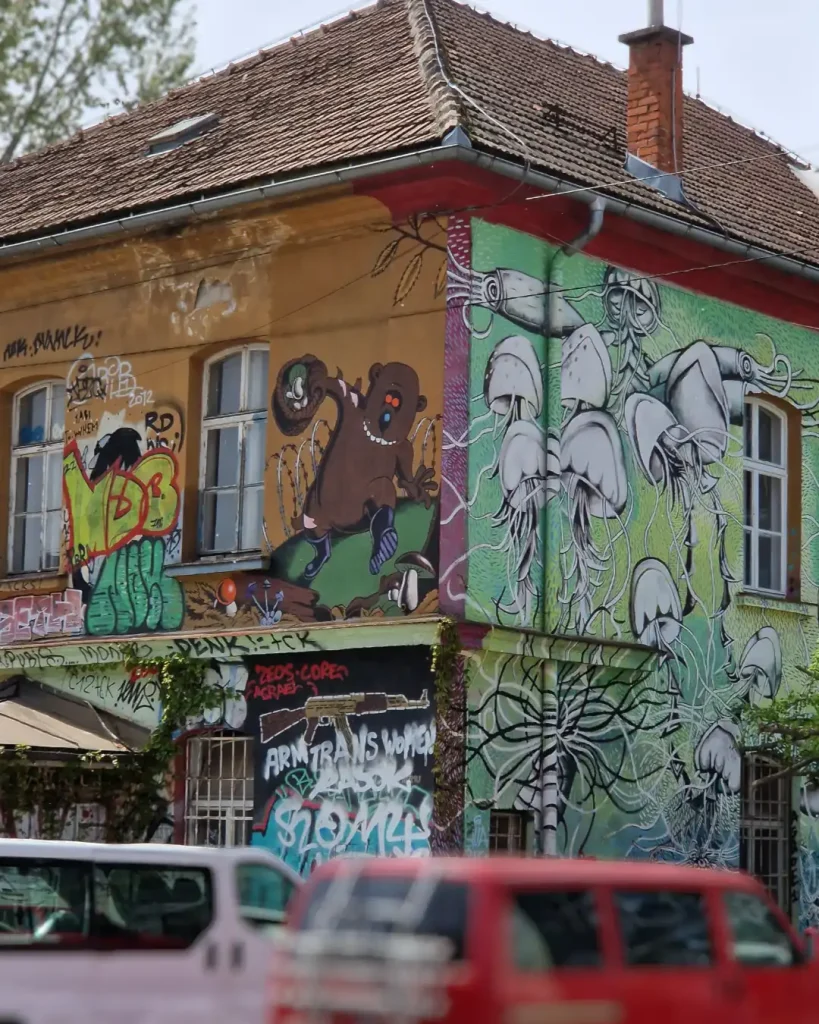
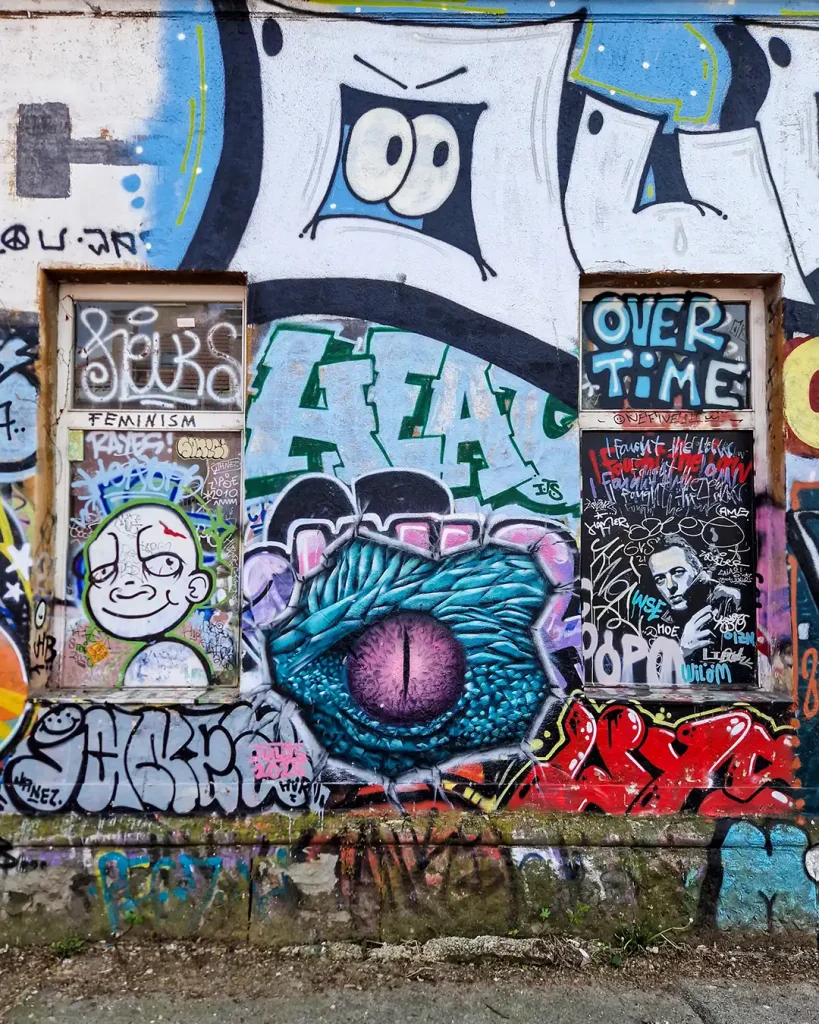
It’s funny, because I initially thought Metelkova would be just a cluster of a couple of houses or buildings, but it’s really more like a sprawling village. The art continues beyond the main square, spilling into side alleys and outer walls. Every inch has been claimed by somebody. If I wanted to photograph and tag everything, I’d need weeks, maybe months.
Walking around, I spotted some familiar imagery too. Space Invader had a piece there, tucked away but visible if you paid attention. That’s the fun of it—you never know what you’ll find tucked between layers of stickers and throw-ups.
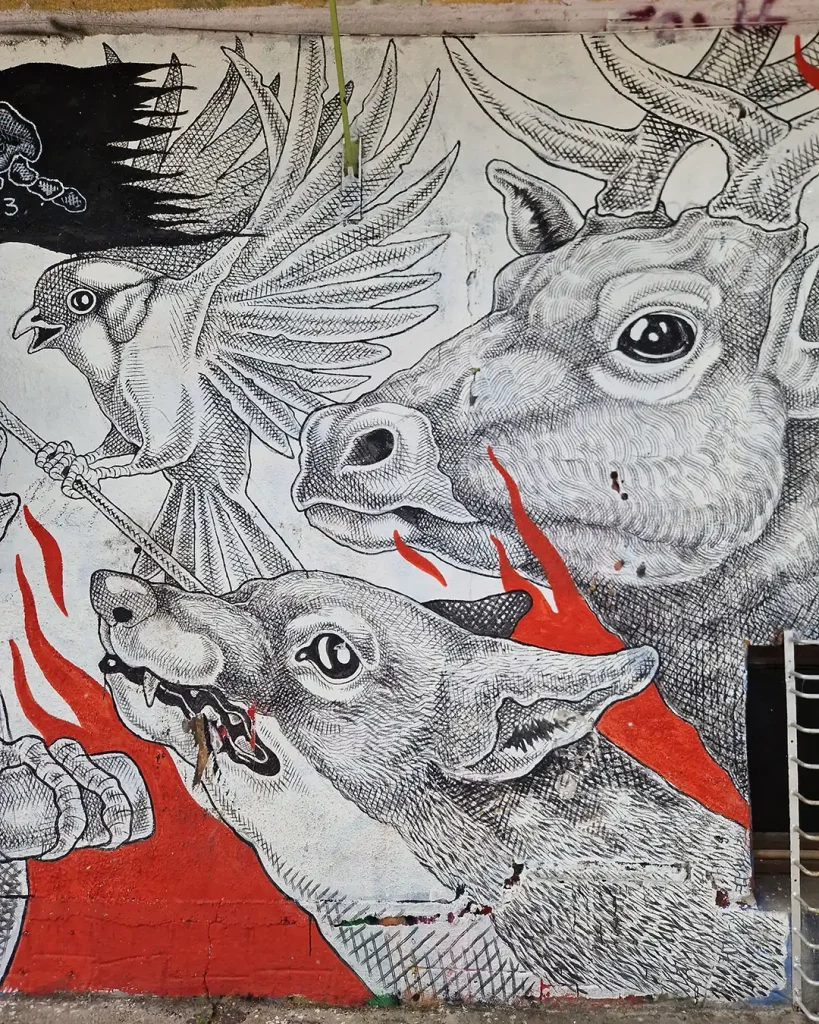
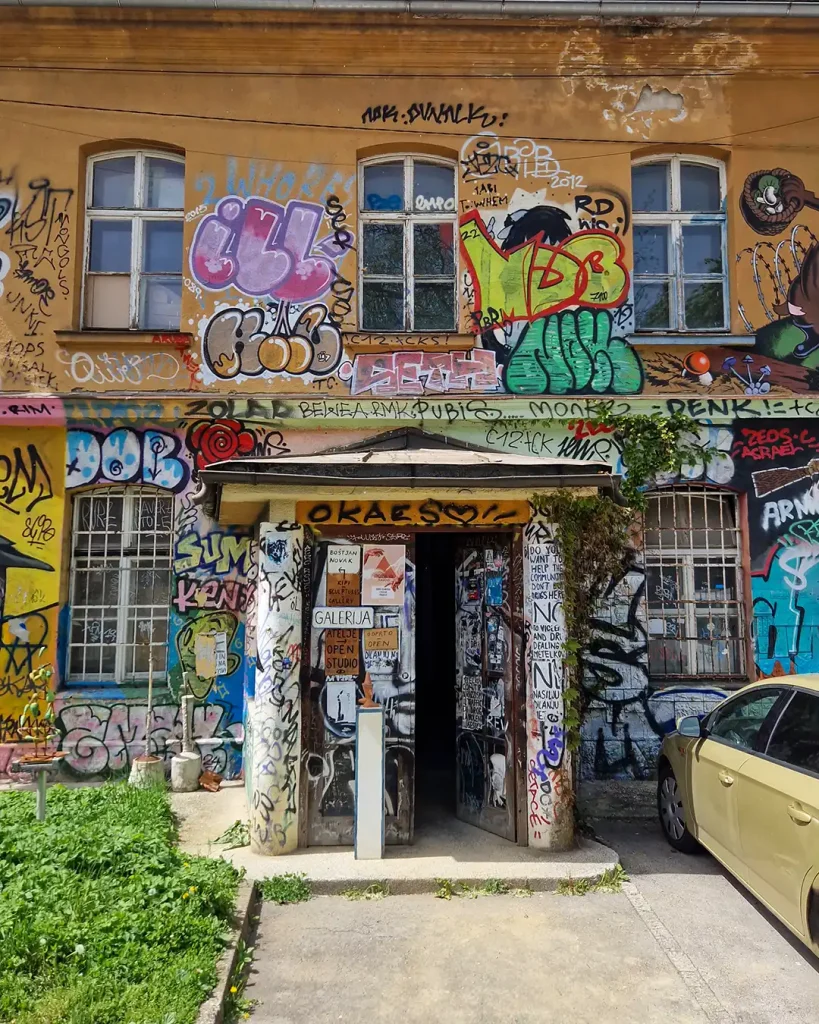
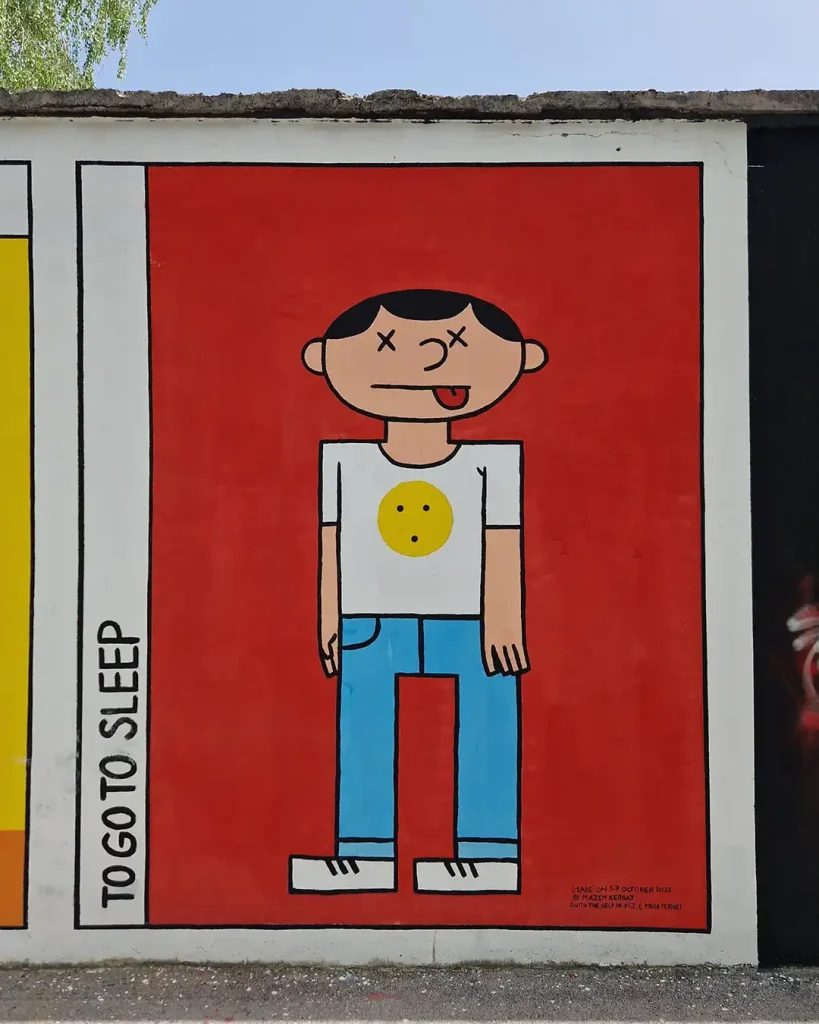
One thing that stood out to me was how some signs even say “No photos,” which feels ironic in a place that’s practically begging to be documented. But that’s part of the nature of these spaces: they’re not museums, they’re living environments where boundaries are fluid.
Watch the Street Art Tour episode 4 via YouTube:
Eventually, we decided to leave Metelkova to explore more of Ljubljana. On the hunt for a toilet, we stumbled into this café that looked like it hadn’t changed since the 1970s. Vintage escalators, glass door handles, fake wood paneling—it all felt like stepping into a time capsule.
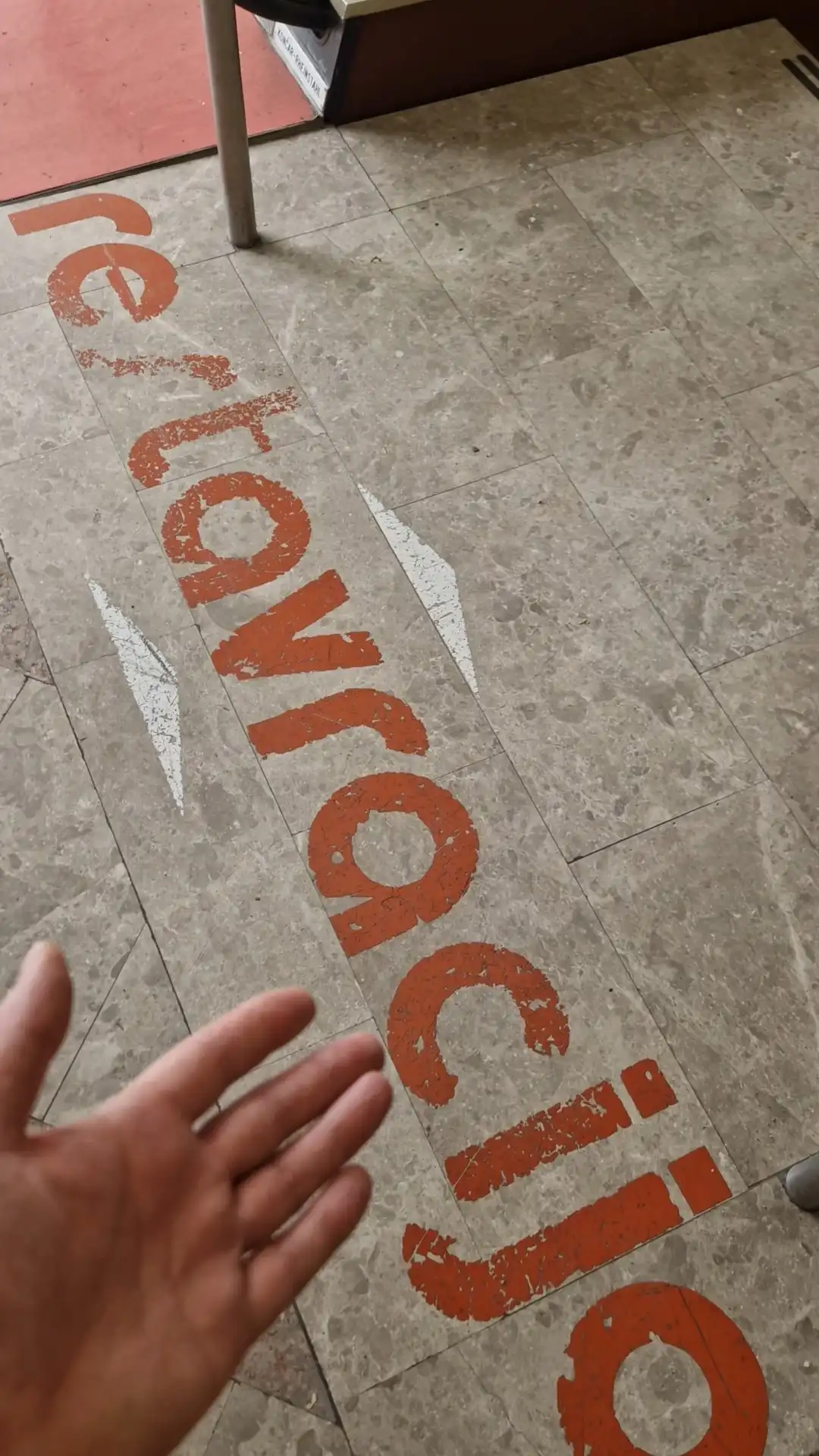
The place was slightly dystopian, like a scene from a post-apocalyptic movie where society has retreated into old shopping centers. There were stores selling outdated clothes, closed shopfronts, crumbling ceilings. Bird droppings everywhere. Still, I couldn’t help but love that gritty, untouched vibe. It reminded me of my childhood in the 80s, even though this was Slovenia, not my home.
We found ourselves wandering through this underpass and strange underground passageways, parts of the city that probably rarely make it into travel guides. It was grimy, forgotten in a way that made it interesting to me. A good place to leave more stickers, of course.
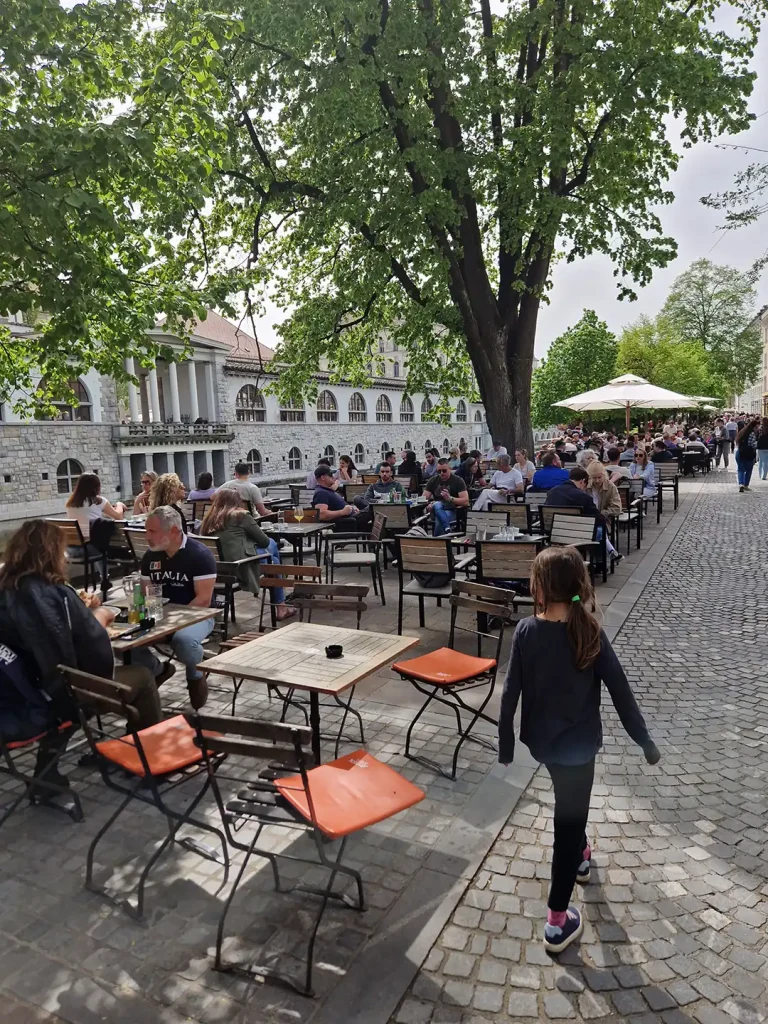
Back above ground, Ljubljana’s Old Town was much livelier. Crowds of people filled the streets, cafes were busy, the river was bustling with little ferries carrying tourists. It was a stark contrast to the emptiness and abandonment we’d seen just a few blocks away.
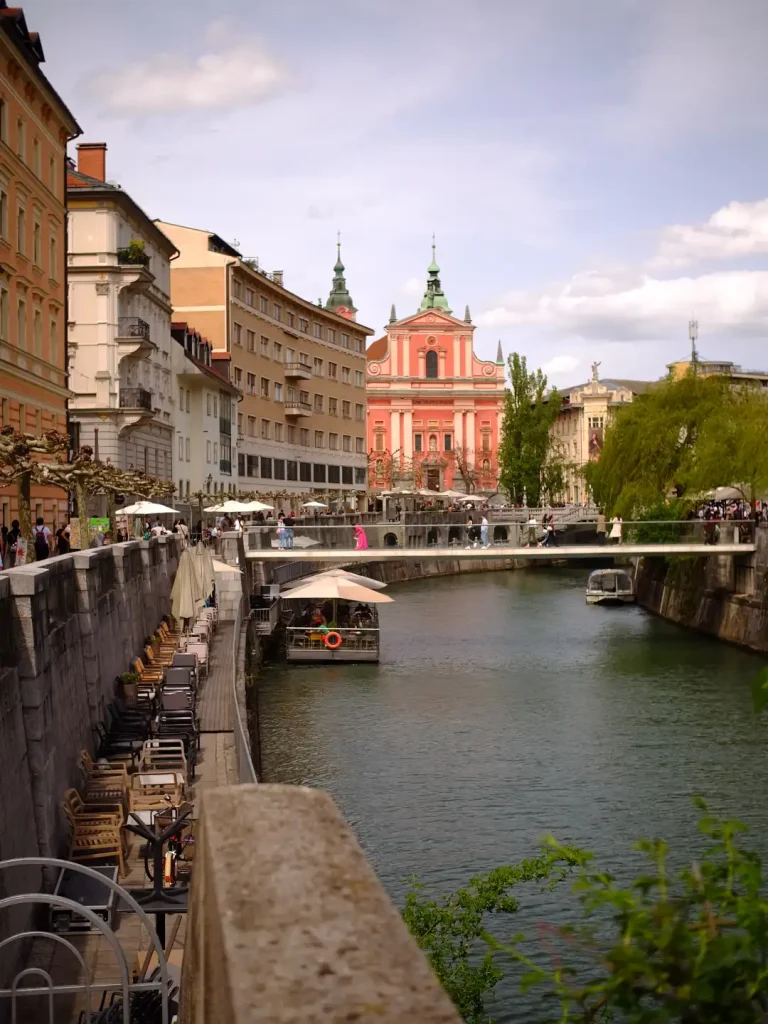
We made a stop at the Dragon Bridge, one of Ljubljana’s tourist highlights. The bridge is guarded by large dragon statues, and it’s a nice landmark, but honestly, I found the nearby skateboard and snowboard shop more engaging. They had repurposed old skateboard decks to build the shopfront, complete with figurines doing handstands and skating tricks. That’s the kind of creativity that draws me in more than a statue or a bridge.
We grabbed some lunch—burek, a pastry filled with meat or cheese that’s common in Slovenia and across the Balkans. Simple but filling. And as I understand this place has been here for years since 1979, also very popular among locals – be ready to stand in line before you can get your delicious pastry from Burek Olimpija.
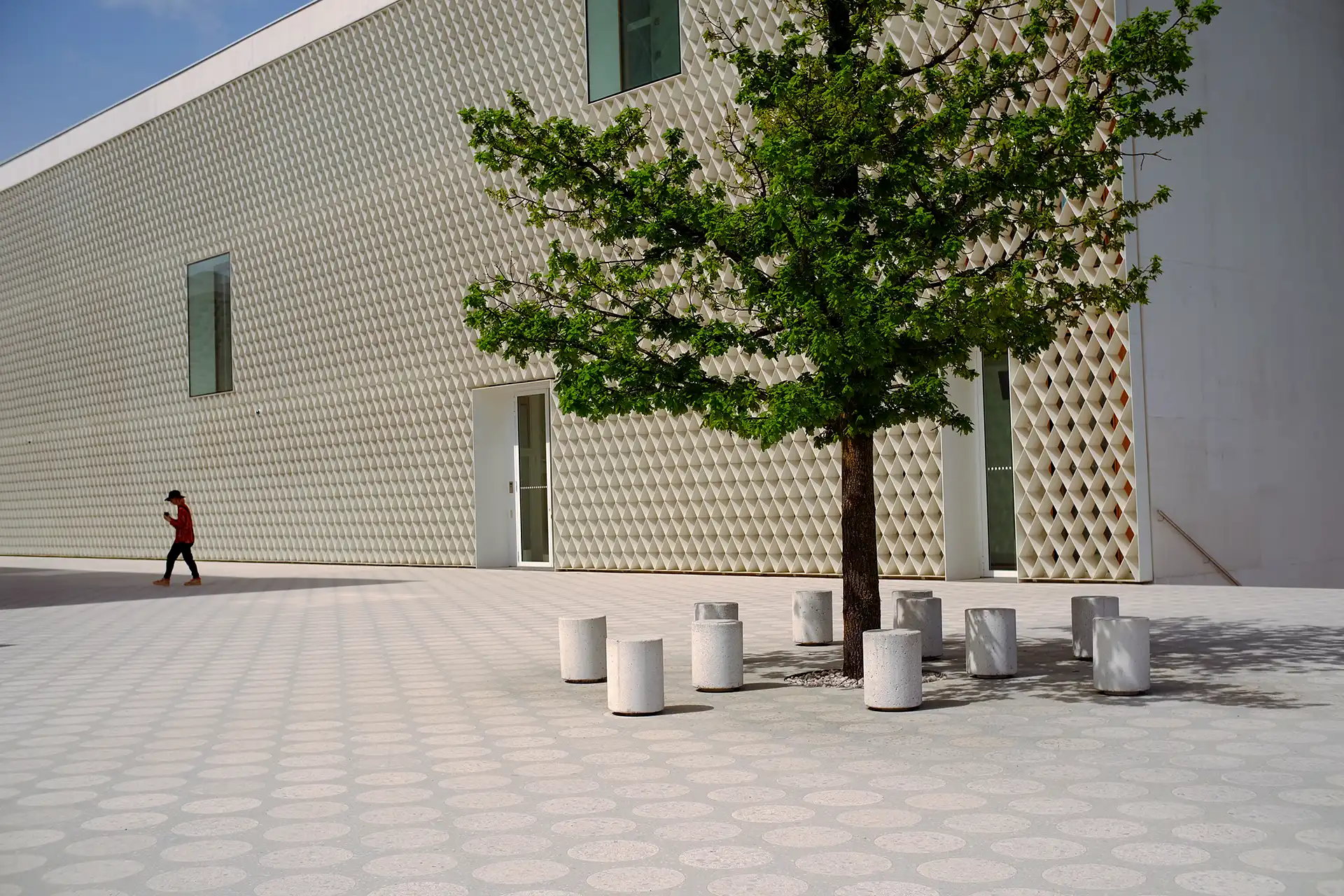
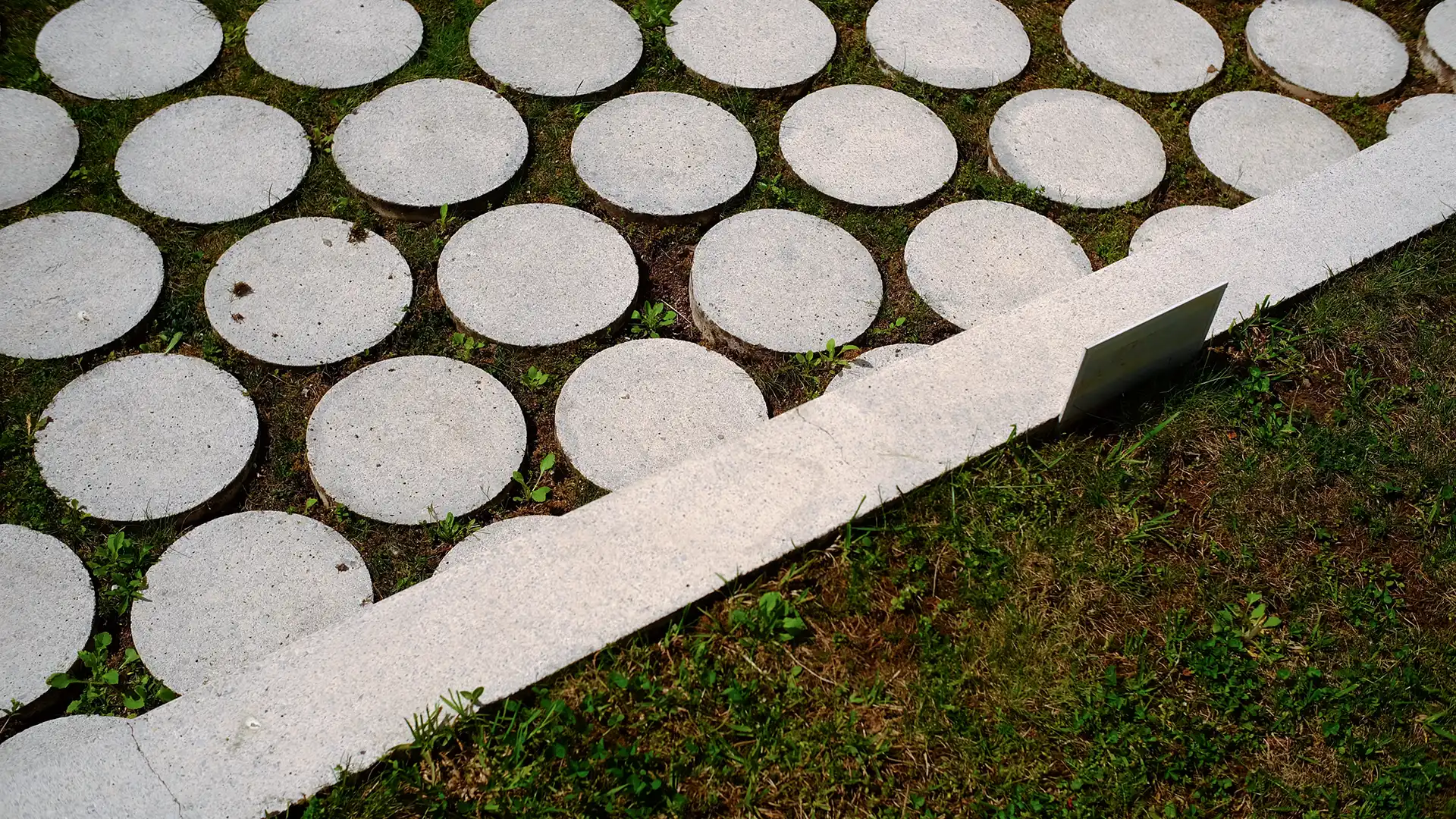
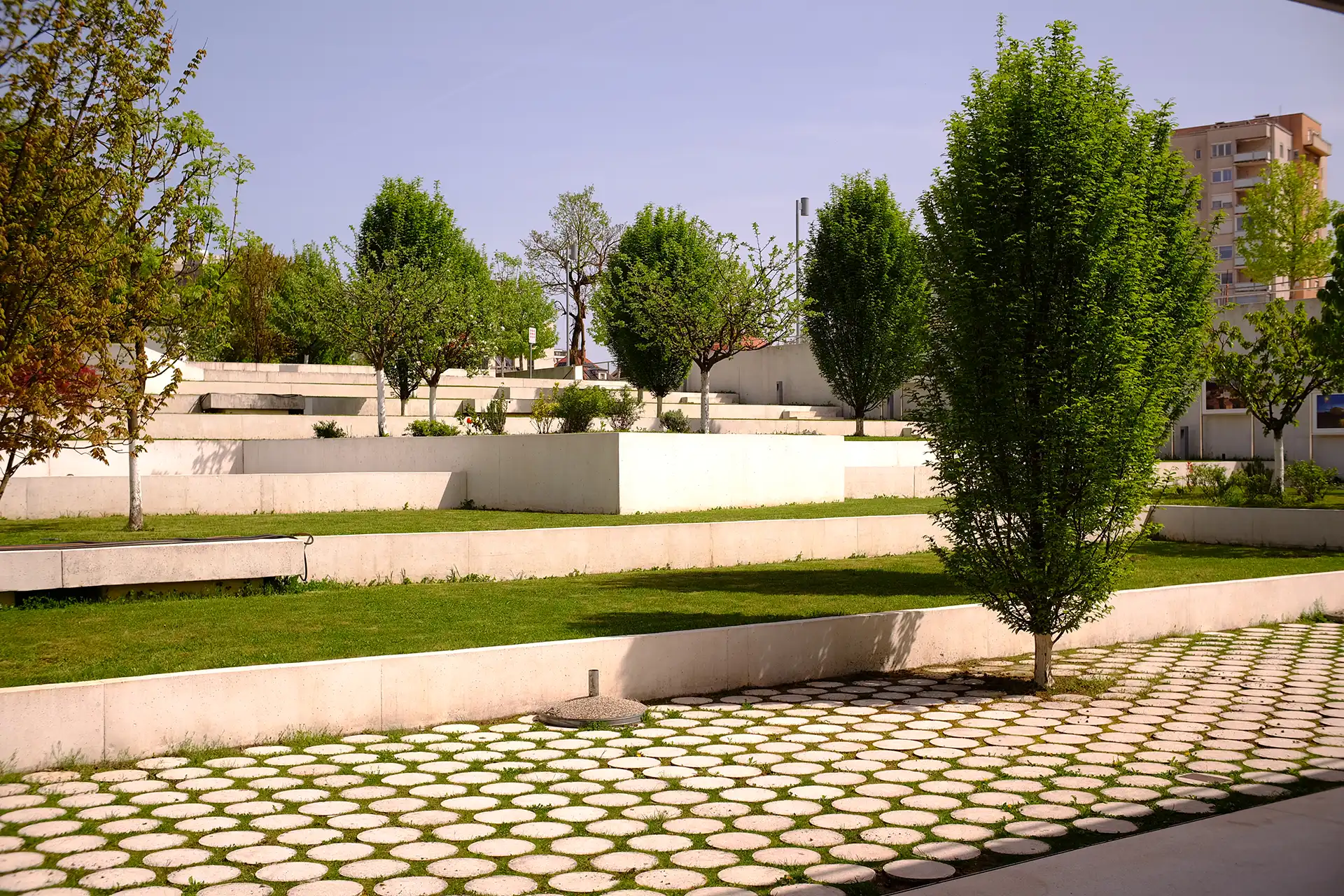
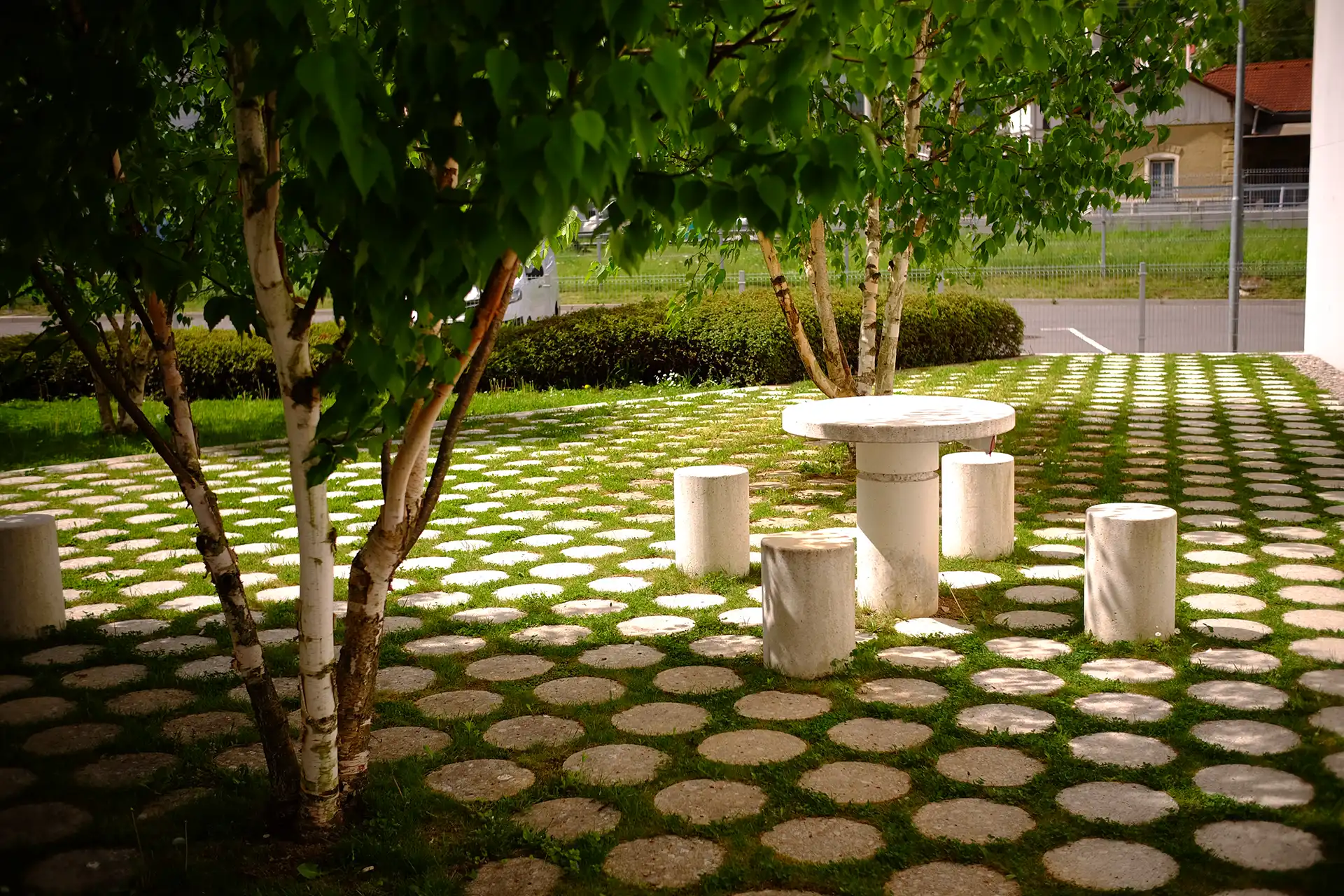
One more thing that we visited, but I didn’t include in video was the mosque in Ljubljana which looks like some kind of a space port from the future. The buildings are very minimalist that you feel like in a futuristic movie set. Worth the visit if you like architecture. The construction cost 34 million euros.
That was pretty much our Ljubljana experience: Metelkova’s intense street art overload, a dystopian 70s café, strange vintage passageways, the touristy buzz of Old Town, and some greasy burek to wrap it all up.
Ljubljana surprised me, in both expected and unexpected ways. Metelkova is a must-visit if you’re into street art, but it’s not exactly polished or sanitized for tourists. It’s rough around the edges, which is part of its appeal. The rest of the city, from what I saw, carries that mix of charm and grit.
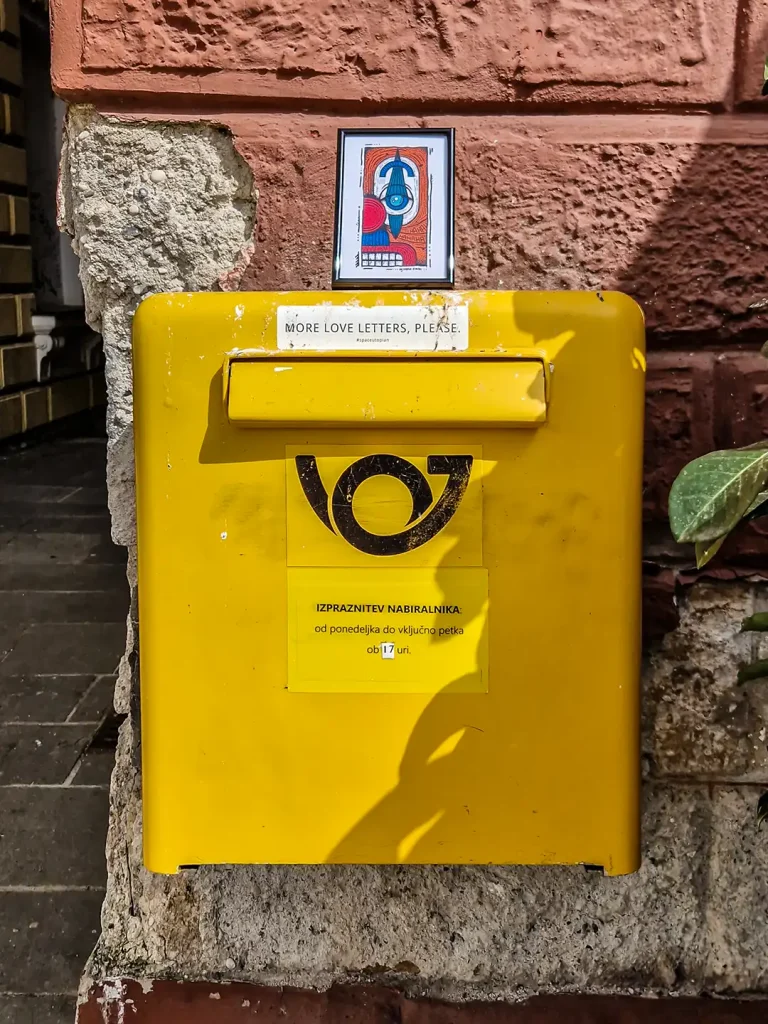
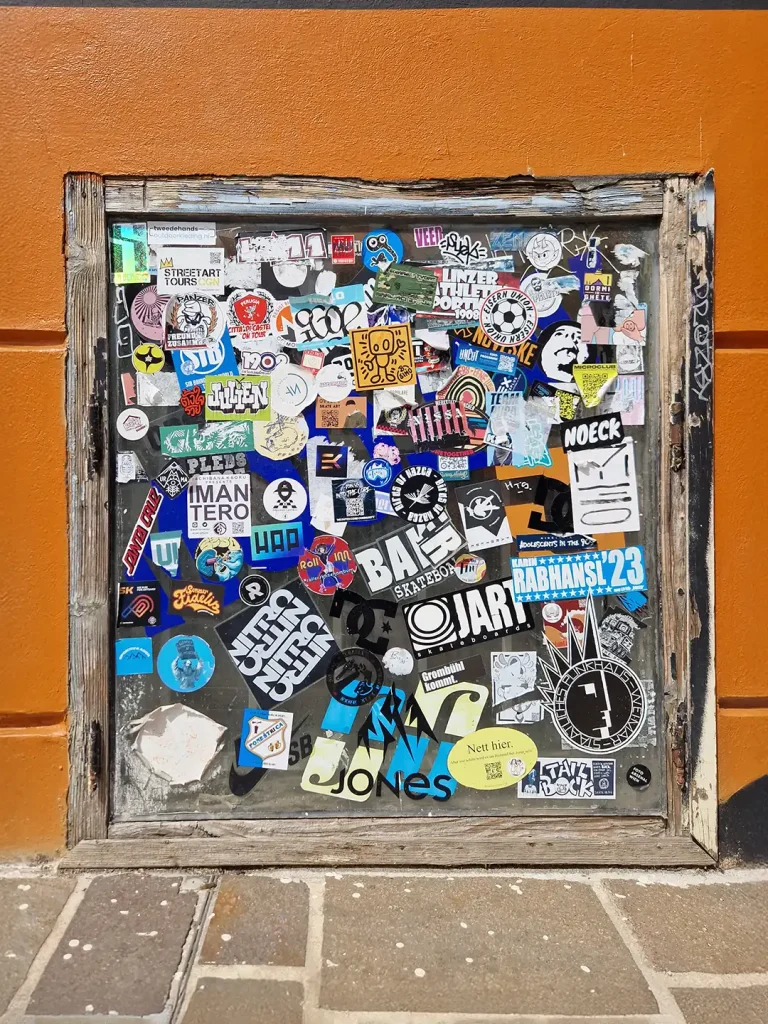
I left my mark, documented what I could, and as always, moved on to the next city, the next wall, the next sticker spot. This is the nature of the journey—no place is the same, and no surface stays untouched for long.
About the author
Hey there! My name is Ervin Ellins and I’m an artist, street art enthusiast, YouTuber, and freelance graphic designer with a passion for travel and telling stories and inspiring others.
Email: info@mycreativedisorder.com
Reply