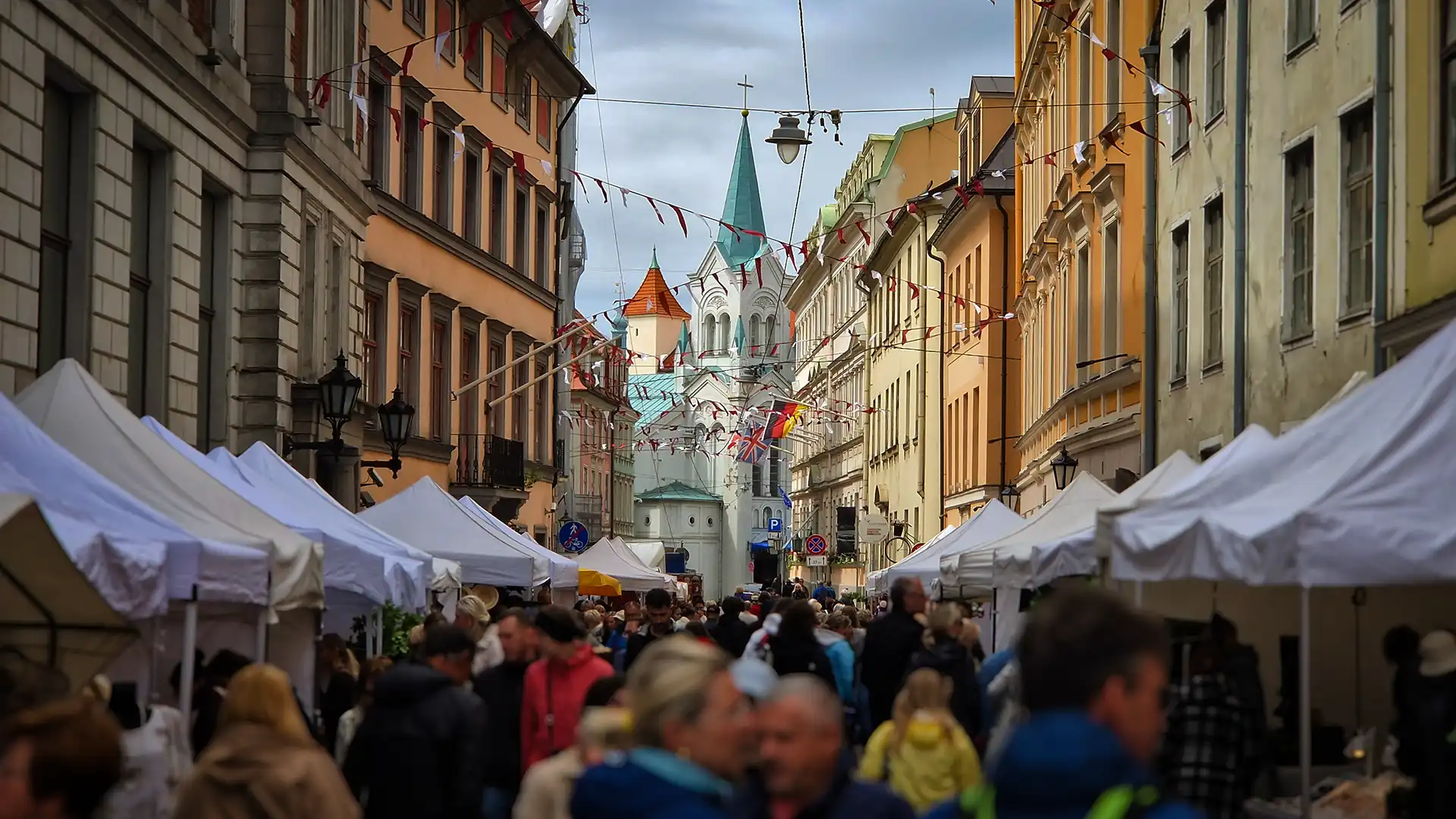
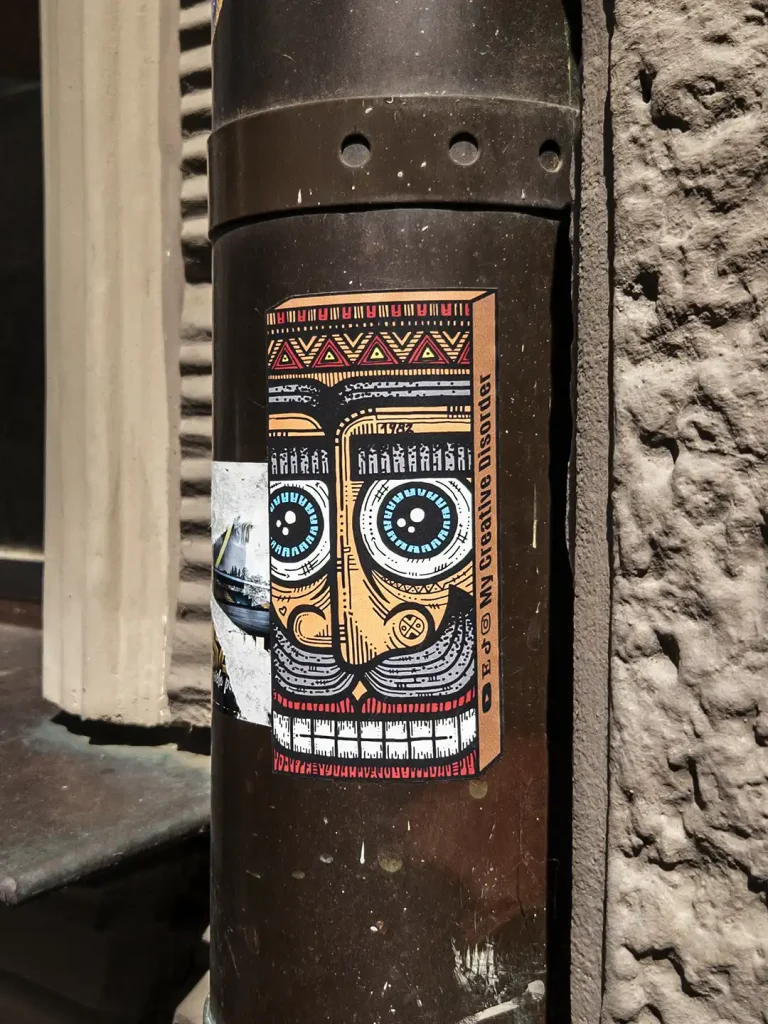
Hey there! So this wasn’t really planned, but it turned into a full-blown adventure through Riga’s Old Town. I actually just came here to check if one of my stickers was still up (yes, the eternal street artist quest — are your stickers surviving time, tourists, and weather?), and surprise — the summer solstice market was in full swing. Obviously, I wasn’t going to miss the chance to wander around and bring you along.
If you’re new here — hi, welcome! I’m the creative behind this mildly chaotic digital mess called My Creative Disorder. I’m into street art, illustration, photography, printmaking, and all the artsy things in between. This blog is basically my sketchbook-slash-travel journal-slash-life ramblings. Let’s get into this little Midsummer adventure.
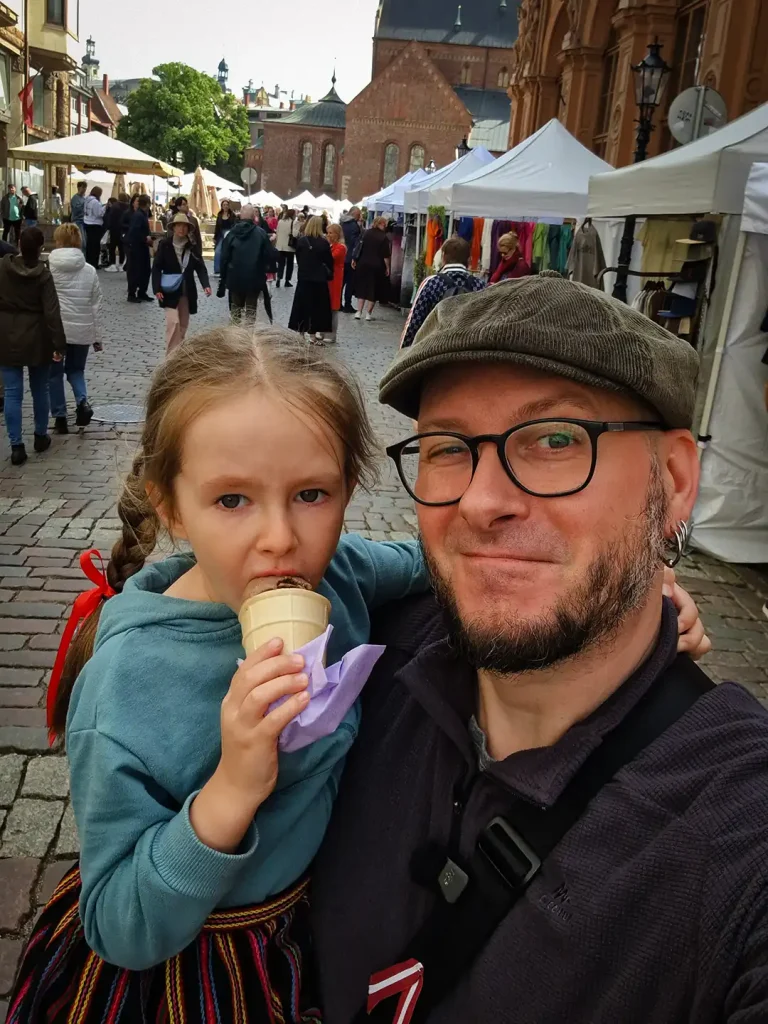
Follow my journey through social media:
Same Dome Square, New Season
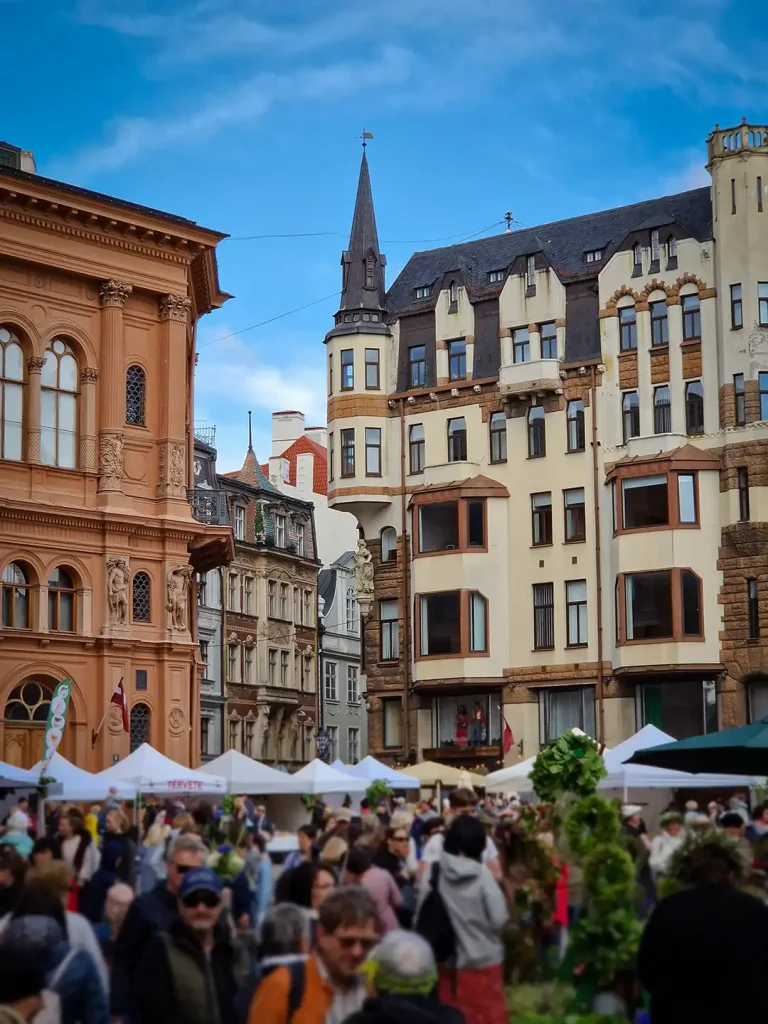
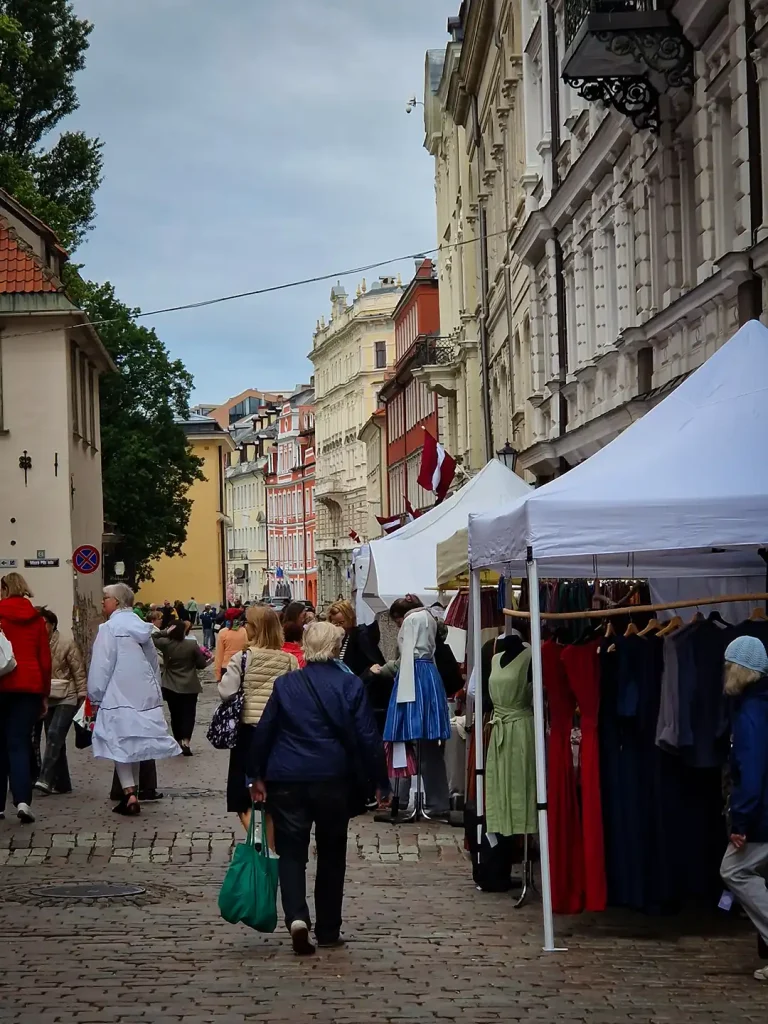
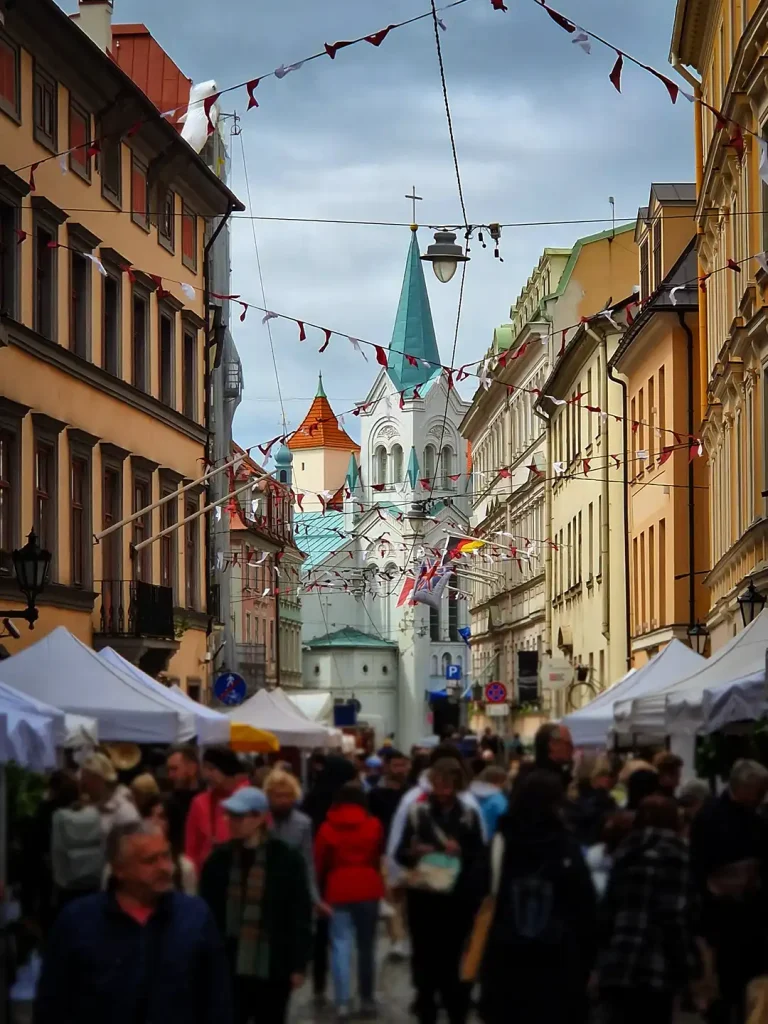
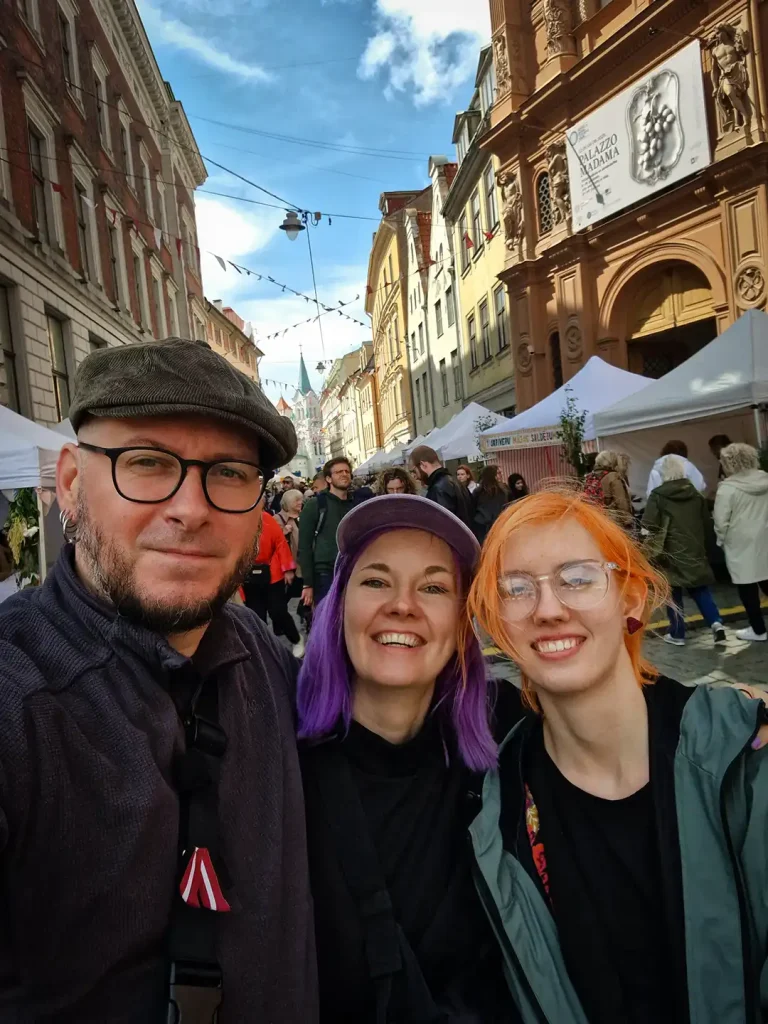
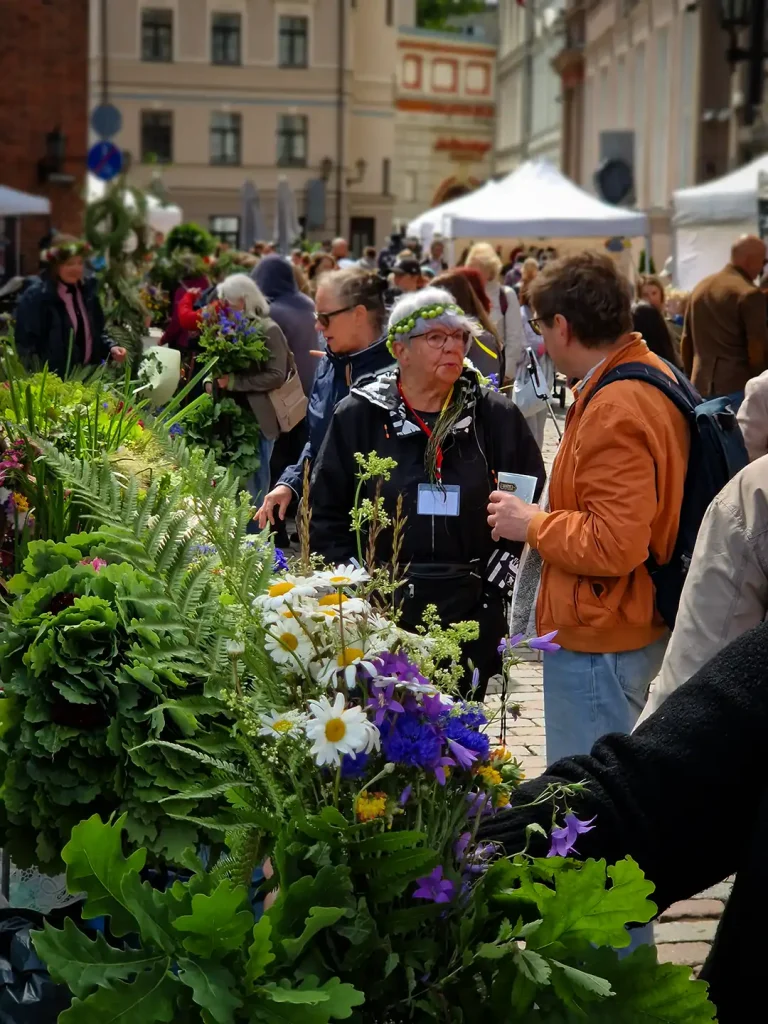
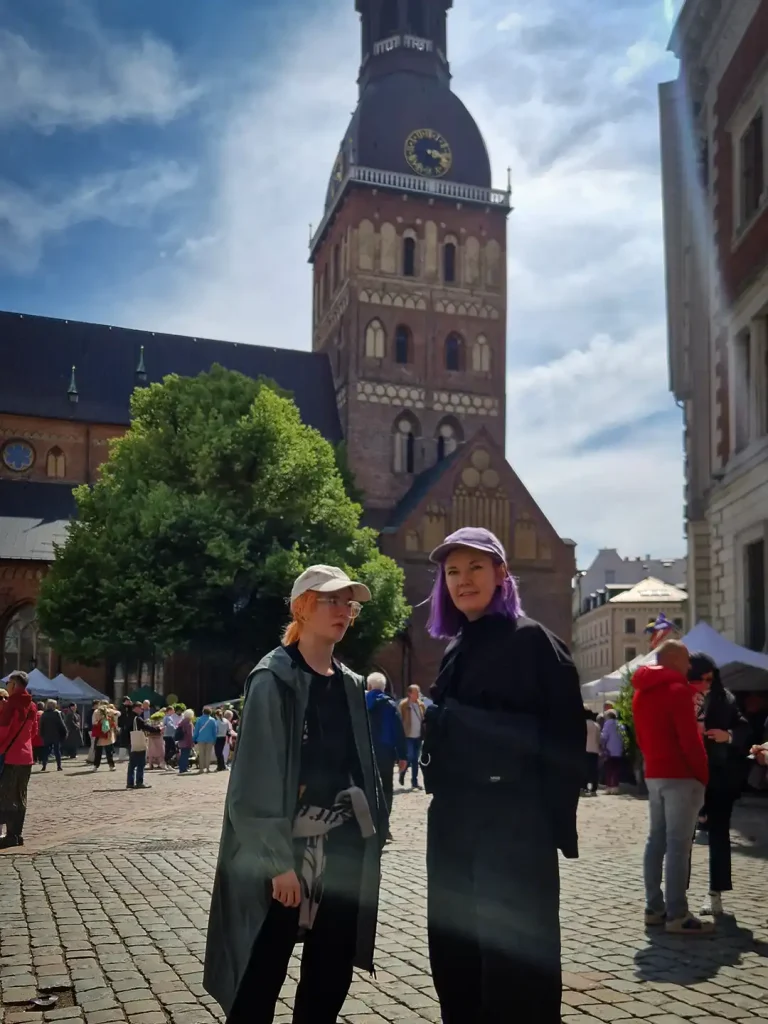
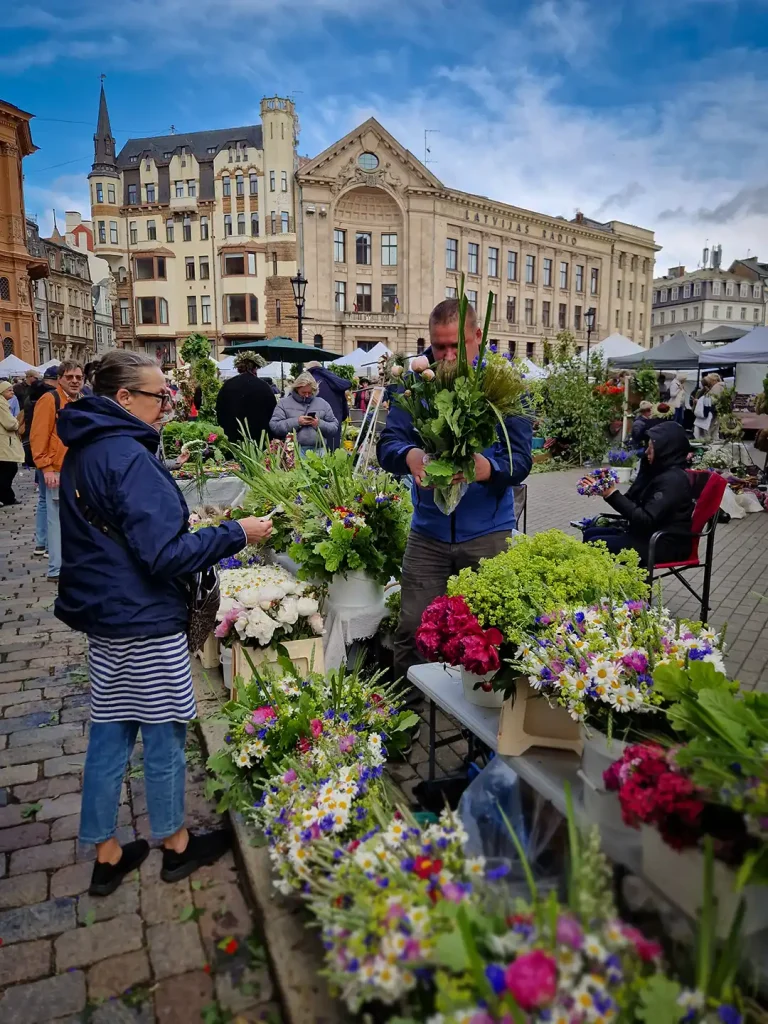
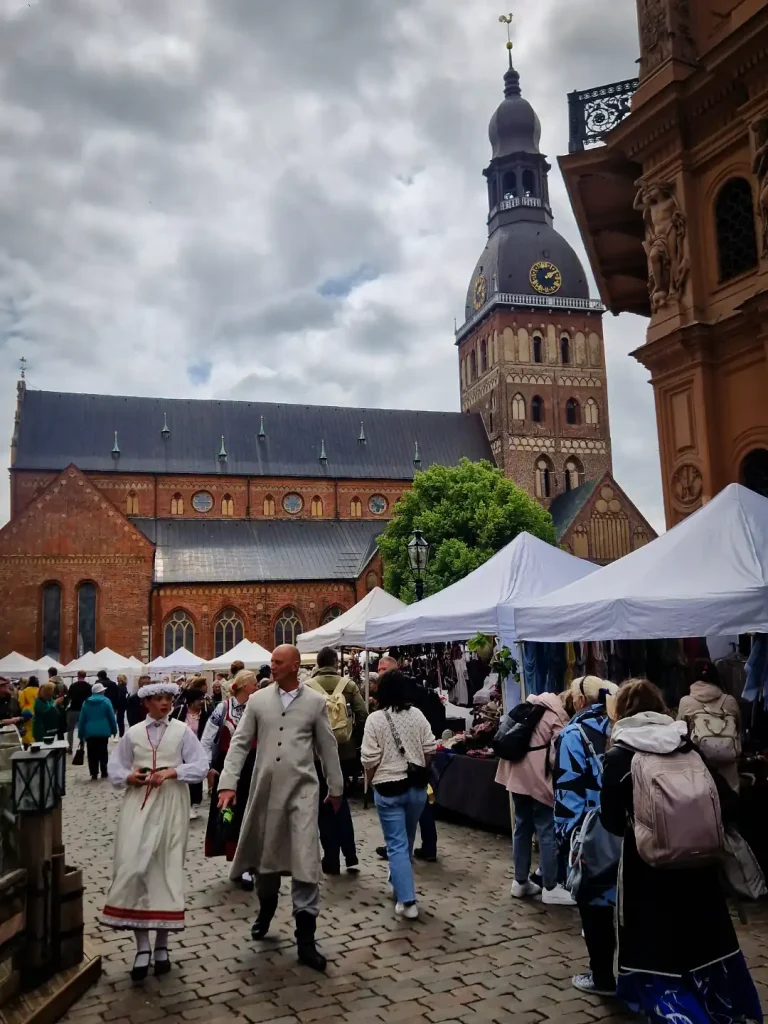
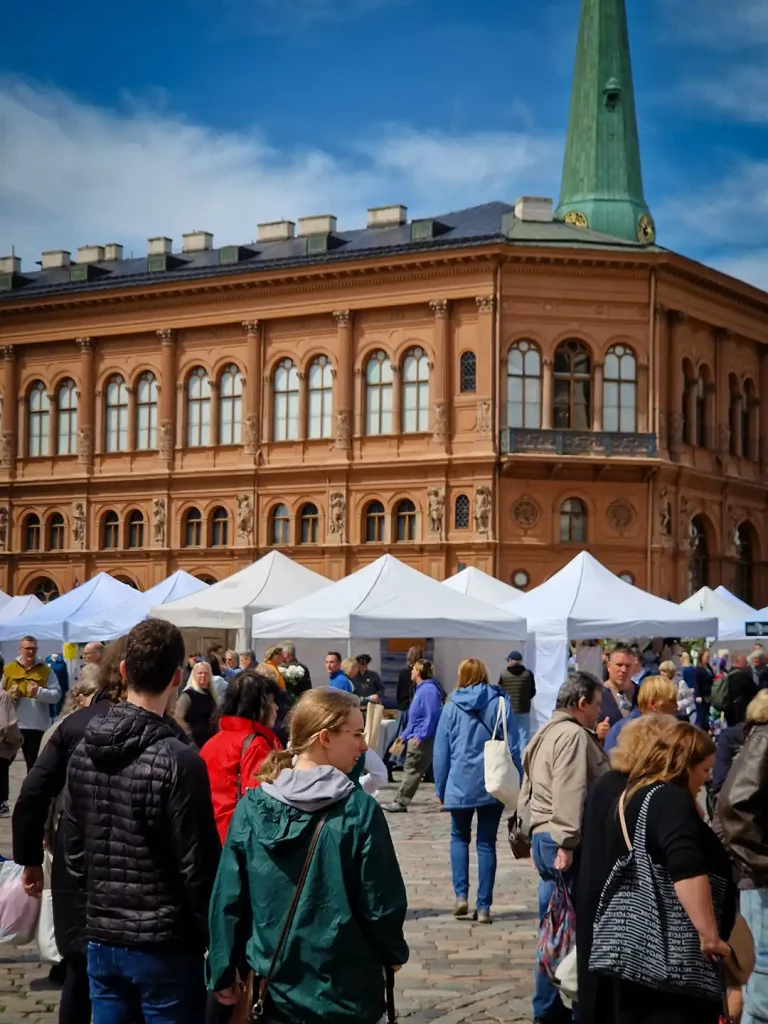
You might remember Dome Square from a post or video around Christmastime. That’s when it turns into a sparkly, cozy winter wonderland. But now — summer solstice is around the corner (literally two days away), and the vibe is completely different. The whole square is alive with color, music, smells, and locals doing their thing.
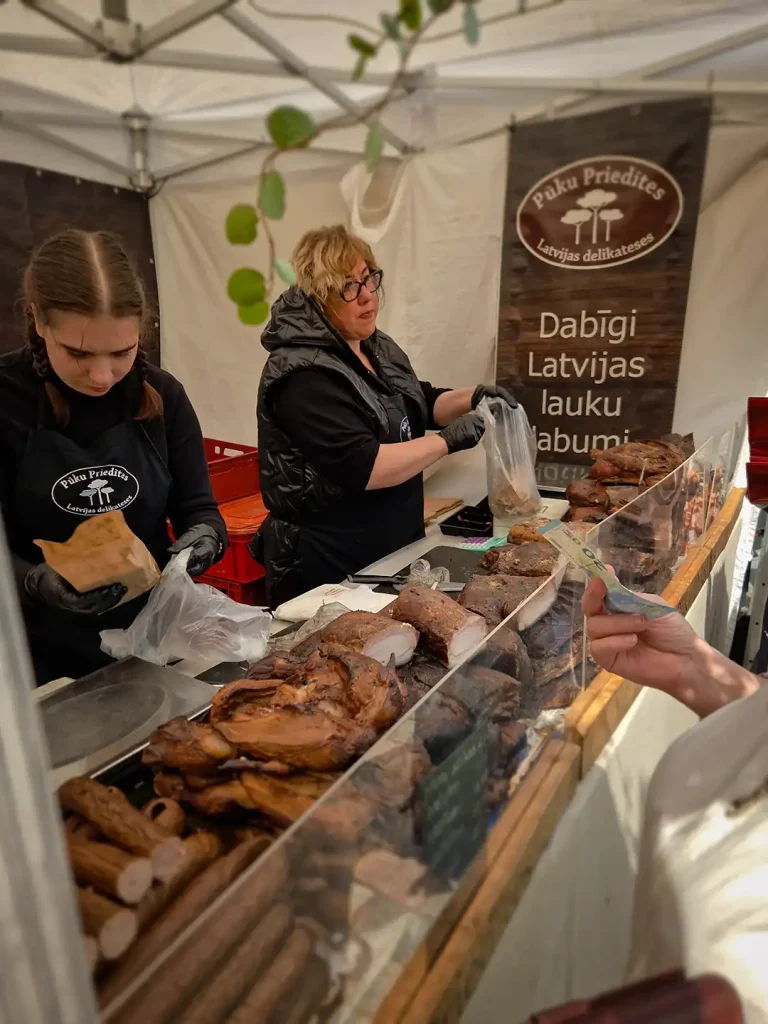
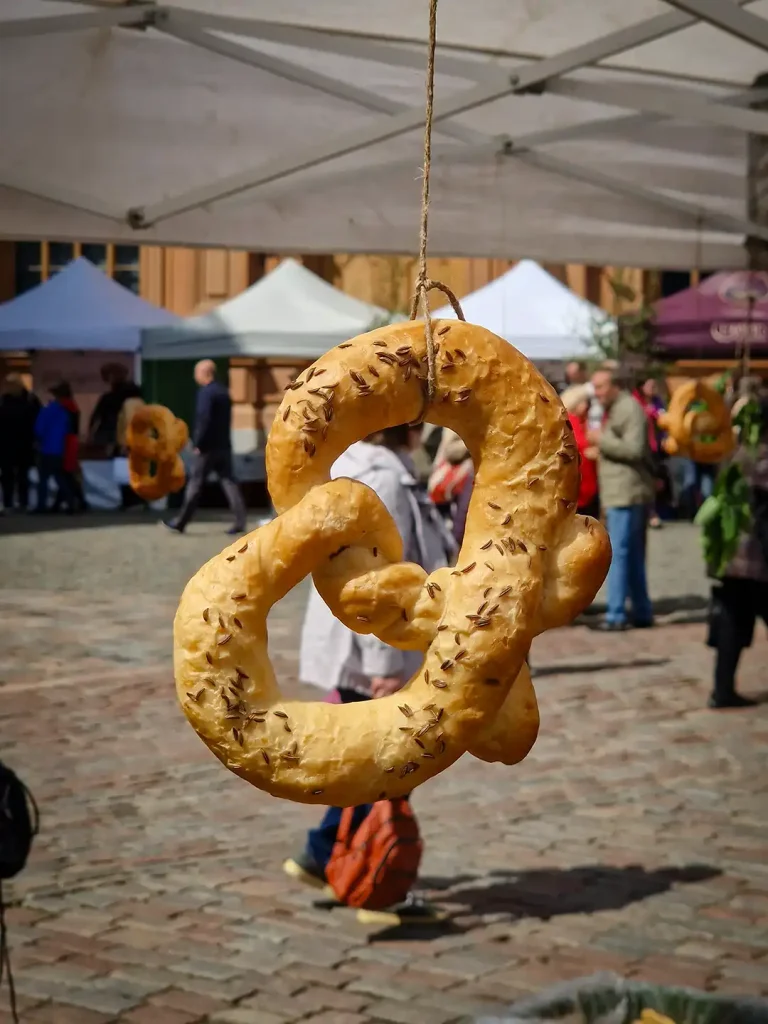
First impressions: way more edible stuff than handcrafted goods this time around. Which, honestly, I wasn’t mad about. If there’s one thing Latvians do well, it’s food that feels like a hug from your grandma—smoked sausages, mature cheese, speck, local beer and honey in all shapes, forms from regular stuff to candles and bee pollen…
Fun fact (or maybe not-so-fun, depending on where you’re from): according to Taste Atlas, Latvia actually made it onto a list of countries with the worst-rated cuisines in Europe. Yep, right down there with Norway, Iceland, and Scotland. The rankings were based on hundreds of thousands of user votes, and while it’s all subjective, it’s kind of wild to see your country’s food lumped into the culinary danger zone. To be fair, the list also had fermented shark and haggis as examples, so maybe the competition was stiff. Still, as someone who grew up here, I think it’s a bit harsh — especially when you’re biting into warm bread baked on maple leaves or that fresh solstice cheese. Latvia might not be France when it comes to food reputation, but trust me, we’ve got our tasty moments.
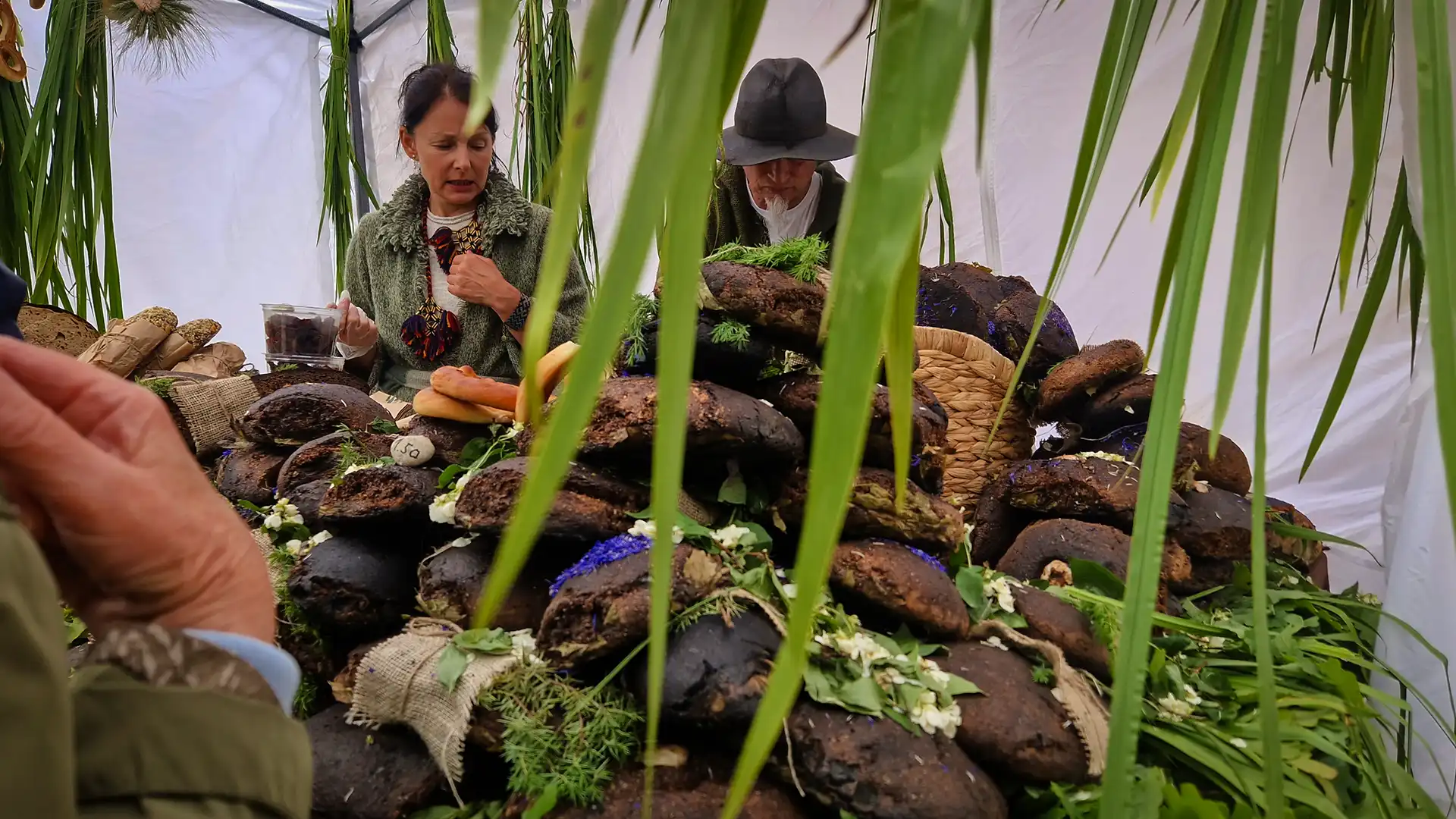
Bread Baked on Leaves & Cheese That Won’t Wait
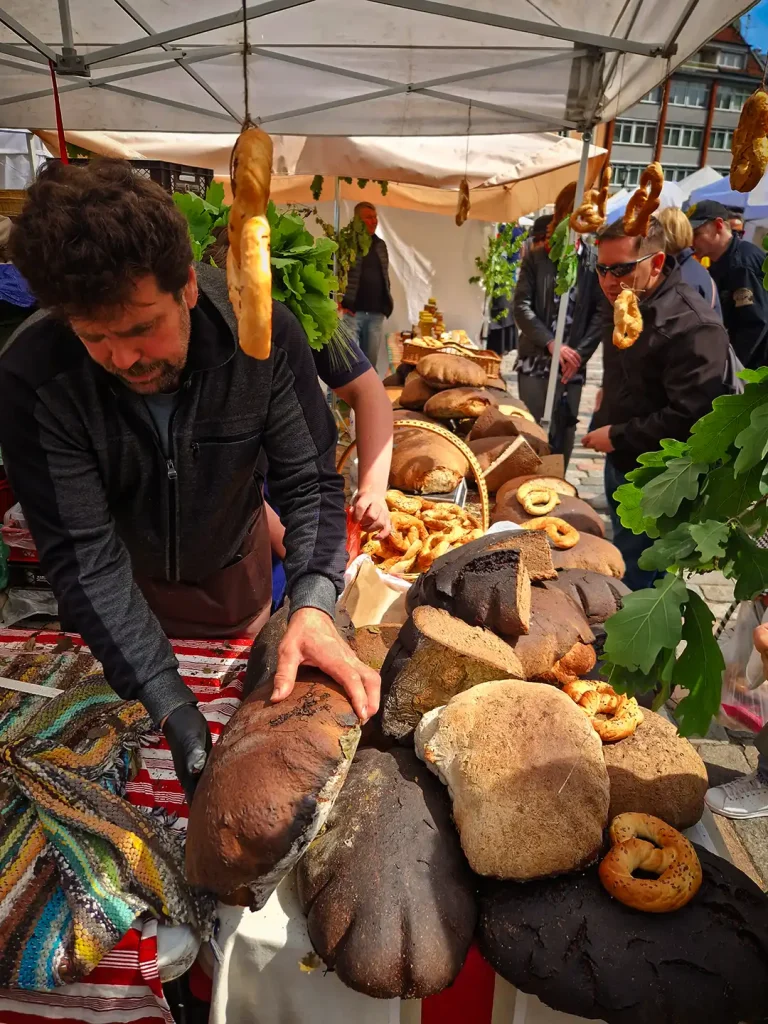
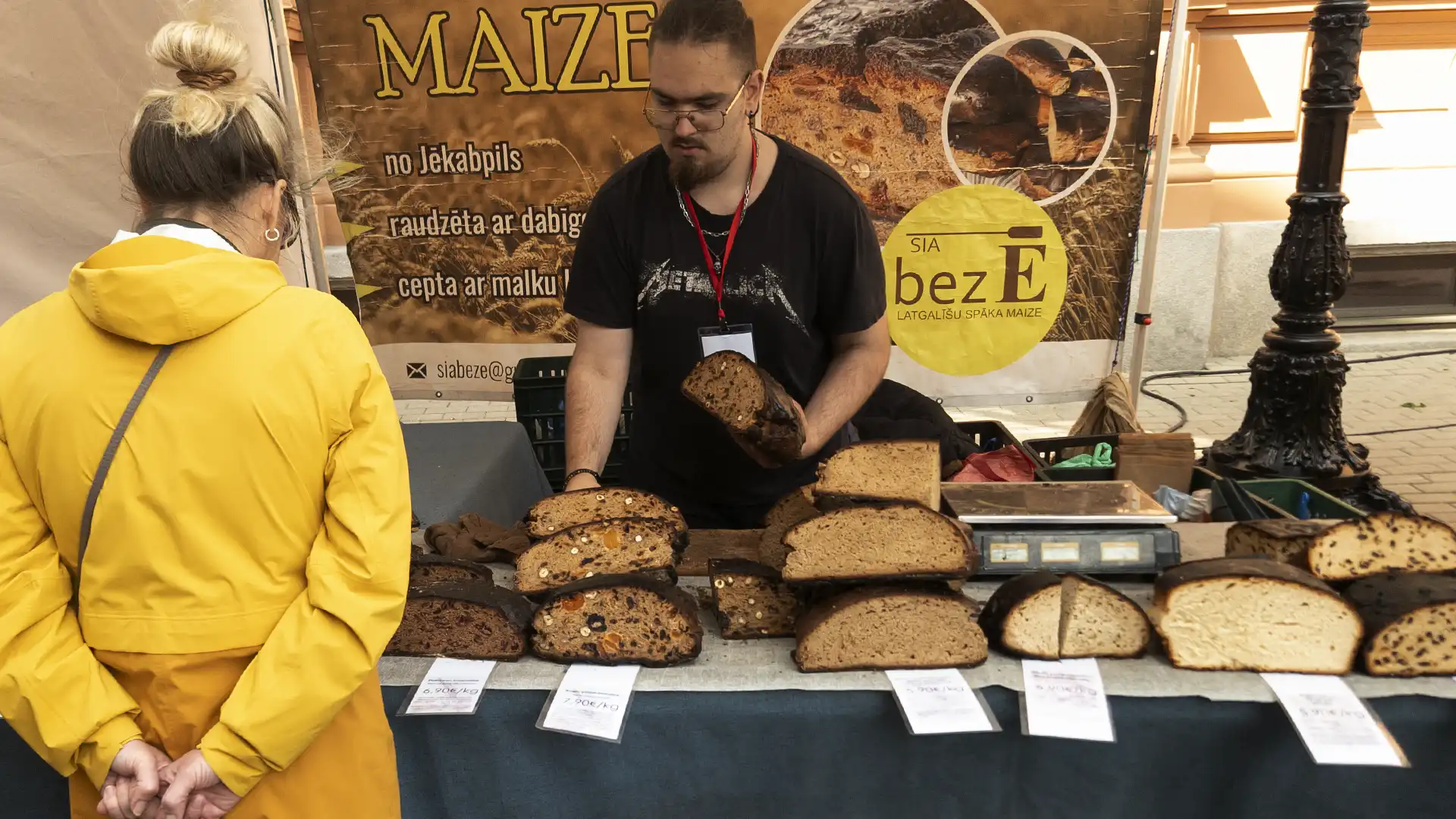
I always talk about this bread — the kind that’s baked on maple leaves instead of just dusting the oven with flour. It smells incredible and tastes like old-school Latvian magic. You can spot it instantly from the little burnt leaf outlines on the crust. I buy it every time I see it. Zero hesitation. It tastes a bit different from store-bought, it has zero yeast so it’s not fluffy at all, quite the opposite. You can get fully after just two slices, which is great for me as I am always hungry. Also, it’s almost bitter so I guess less sugar, which is great for my beer belly. Love that they add the blue cornflower petals on top of the bread, that really sells me that old country vibe.
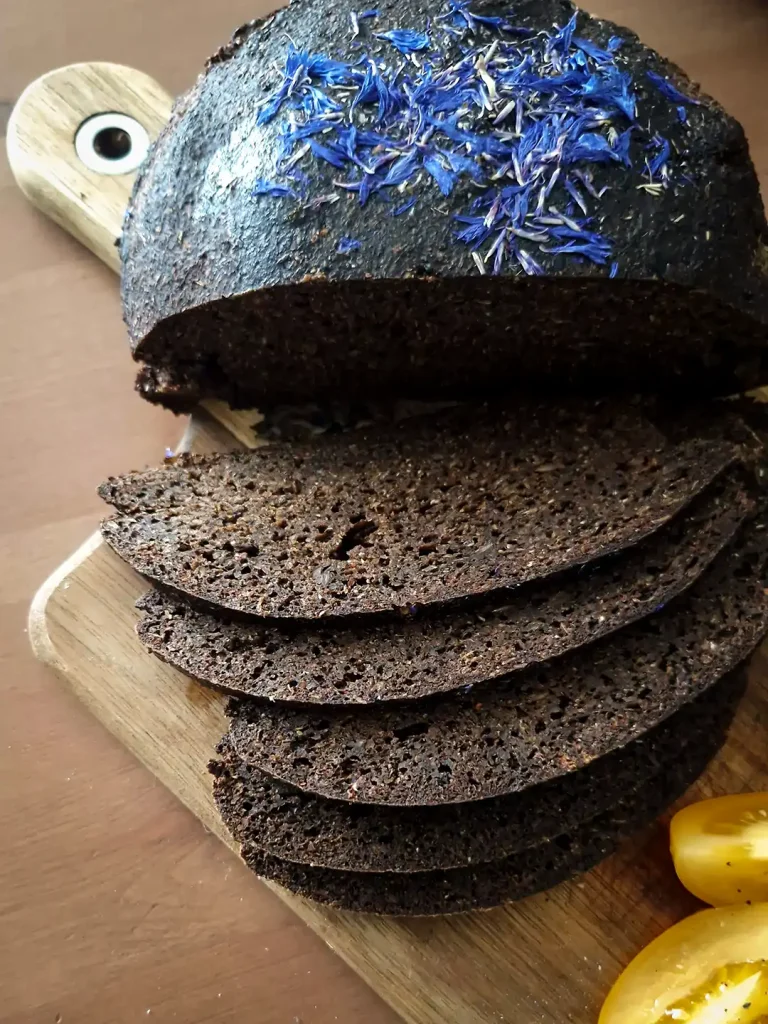
I’ve been a loyal customer for a year now and this loaf was freshly baked, a bit moist in the middle and I love it. Bread is big in our culture, so don’t be surprised that it is very common in these type of markets, because store-bought bread just isn’t that good at all.
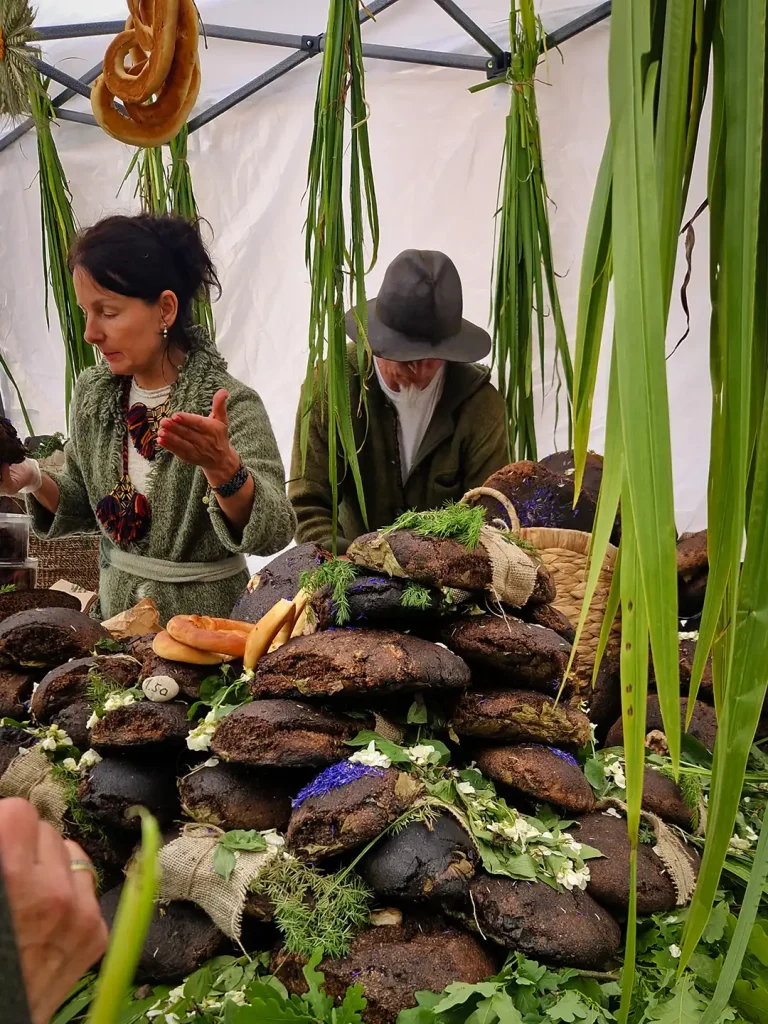
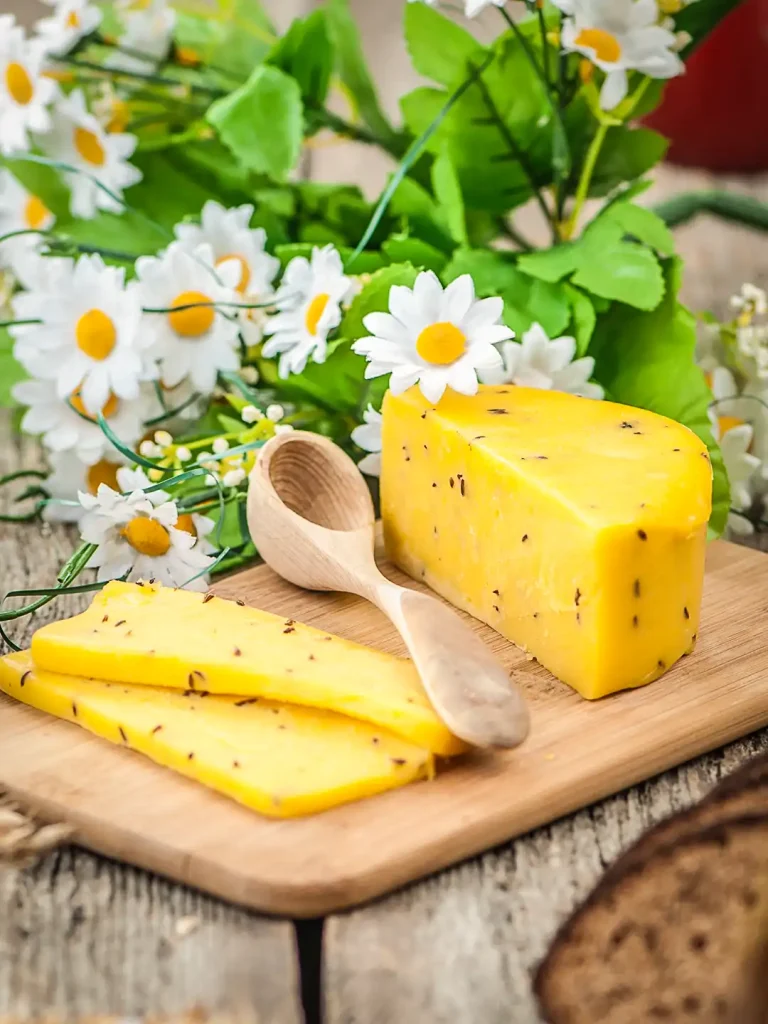
Next up: fresh cheese. One of the most iconic foods you’ll find at any Latvian Midsummer celebration is Jāņu siers, or John’s cheese. It’s a fresh, mildly sour cheese traditionally made with curd, milk, caraway seeds, and just a bit of salt. What makes it special — besides the fact that it’s only really eaten around the summer solstice (Jāņi) — is that it’s handmade, often in small batches, and never lasts long. You have to eat it fresh, usually the same day or next. It has a soft, crumbly texture and a slightly earthy taste from the caraway. For Latvians, this cheese isn’t just food — it’s a symbol of the season. It shows up on every table next to smoked meats, beer, and wildflower crowns, and no proper Jāņi celebration feels complete without it.
Then there’s honey. Always honey. People here love it — probably because it’s the go-to sugar alternative. Especially with all the breads. Some stands were even offering tastings. You could try a dozen kinds if you were patient enough to wait in the queue (I wasn’t). Also, honey in markets like these is very, very popular because big food stores cheat and sell subpar honey that is not clean but mixed with low quality products from China and the government and local beekeepers struggle in this fight.
Got beer?
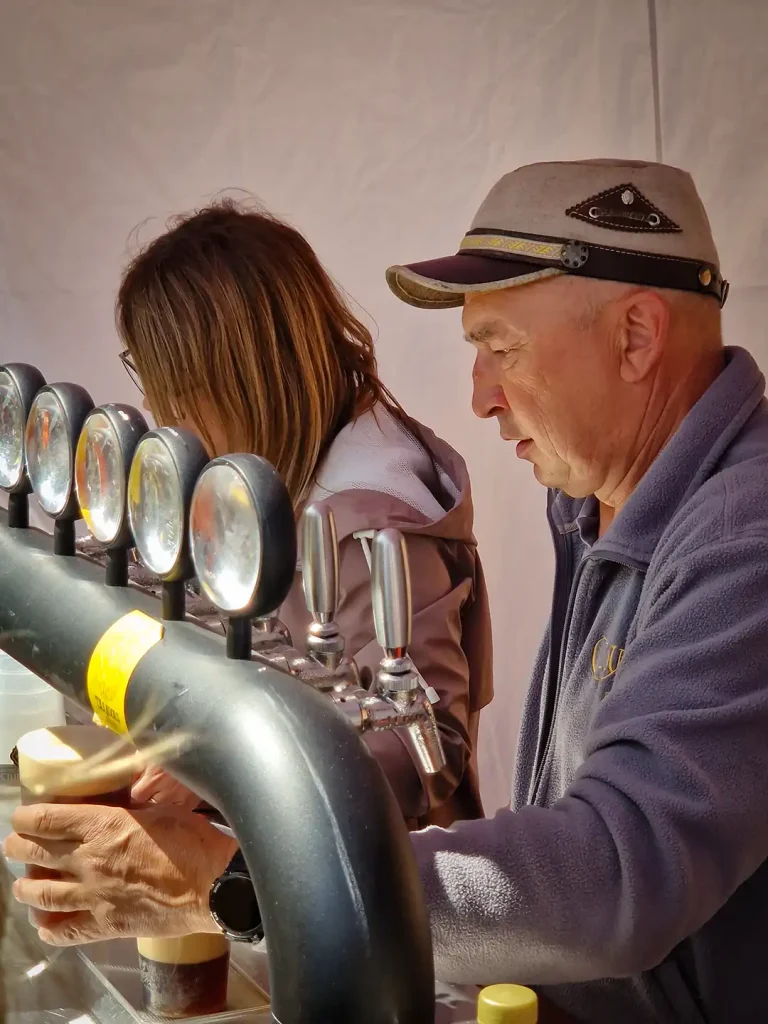
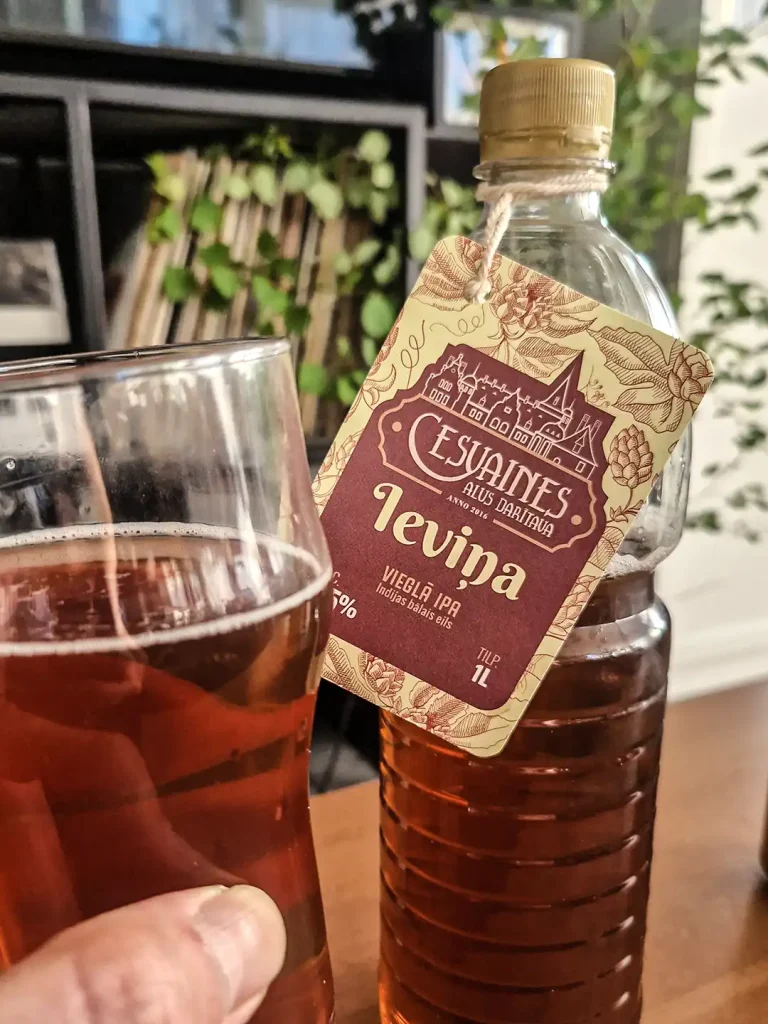
Oh, and beer. All kinds of it. I ended up picking up an IPA brewed in a city called Cesvaine — never tried it before, but that’s half the fun, right? Finding a new favorite is part of the market adventure. There was also wine, cider, and even some stronger spirits. But the real star of the Midsummer Solstice, both historically and locally, is beer. If you’re after something truly Latvian, go for Bauskas Beer or Tērvetes Beer — both named after the towns where they’re actually brewed. Most of our local beer brands follow that naming tradition: Užava, Lielvārde, Madona, and so on. But here’s the thing — some of those “local” names are now just branding. For example, Lielvārde beer isn’t even brewed in Latvia anymore. And that’s a big deal to many of us. Latvians take pride in supporting real local products, so once something gets outsourced to another country, it kind of loses its charm — and our interest.
Candles with Pickles (Yeah, Really)
As I walked deeper into the market, things started getting weirder. Soy candles — expected. Candles with pickles floating inside? That was a new one for me — and honestly, it looked kind of awesome.
Pickled cucumbers (or gherkins) are a staple here, something we preserve every autumn to get through the long winters. Every housewife has her own special recipe, usually involving blackcurrant leaves, horseradish root, garlic cloves, and other familiar ingredients you’d find in any farmhouse or small garden.
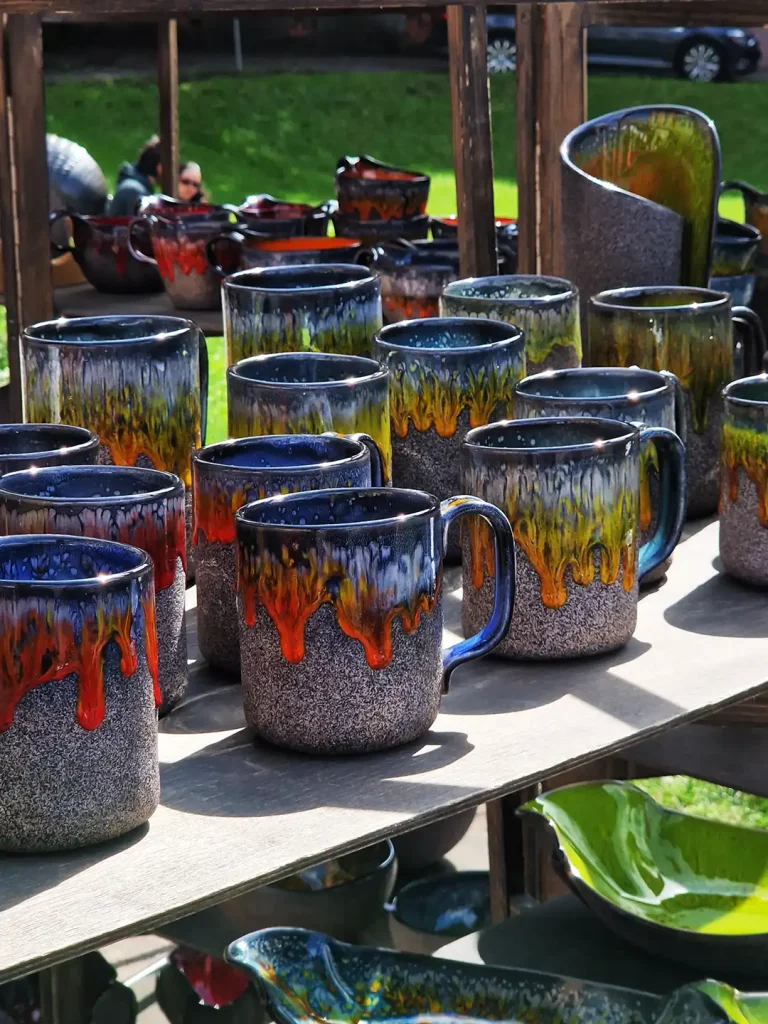
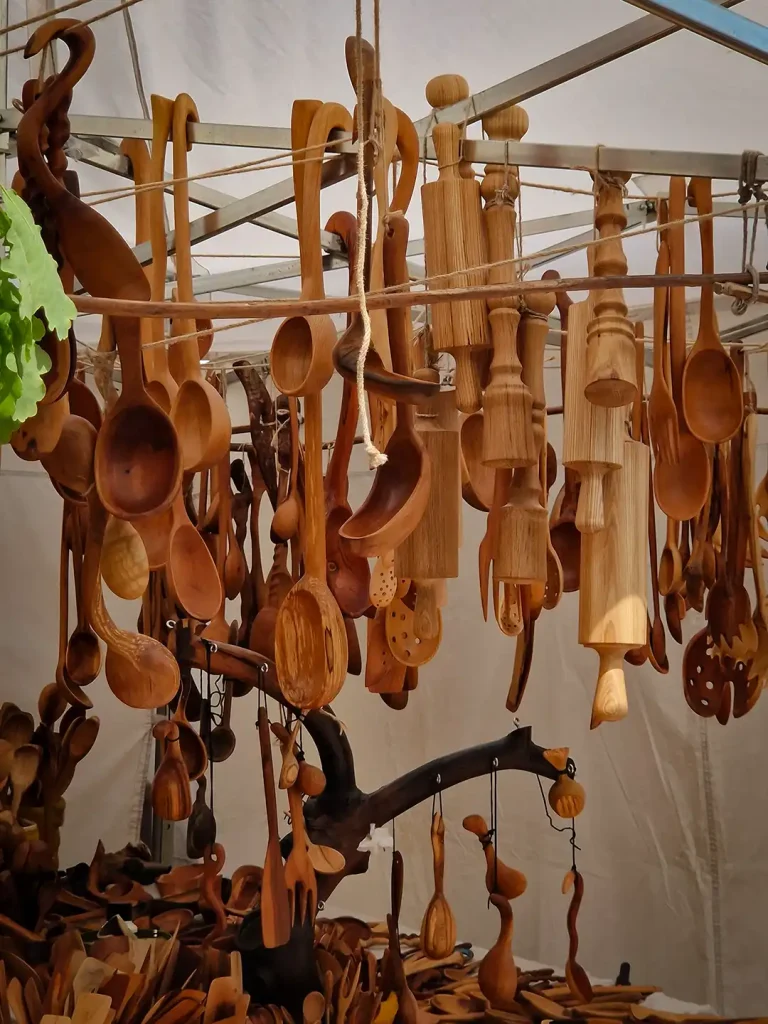
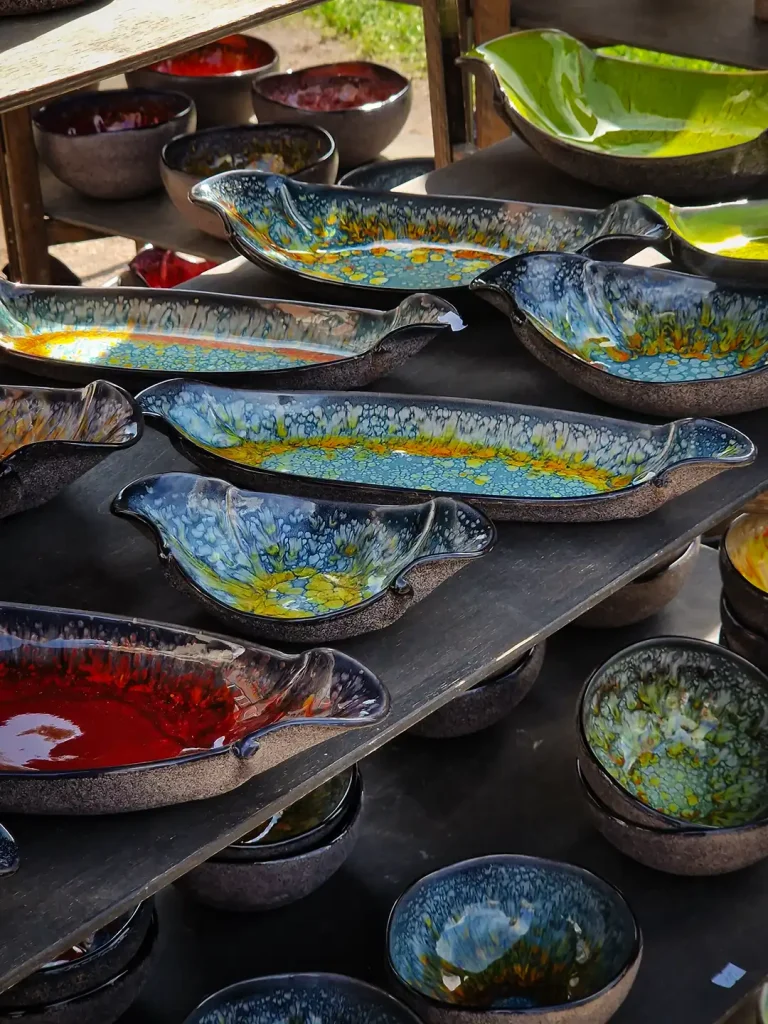
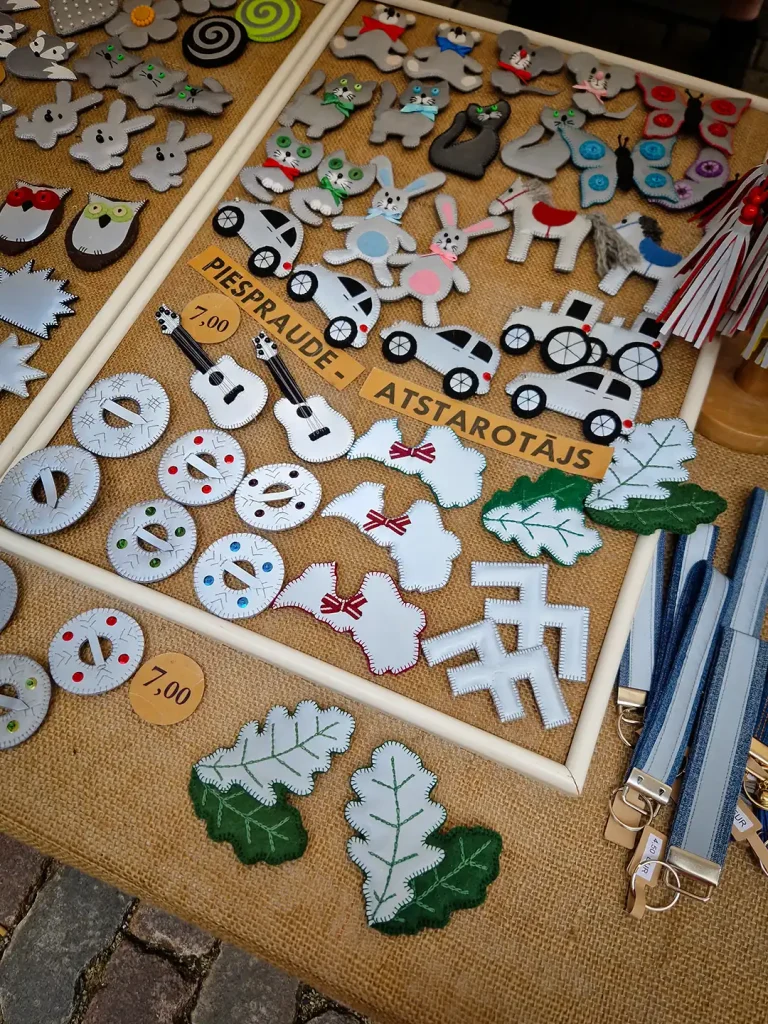
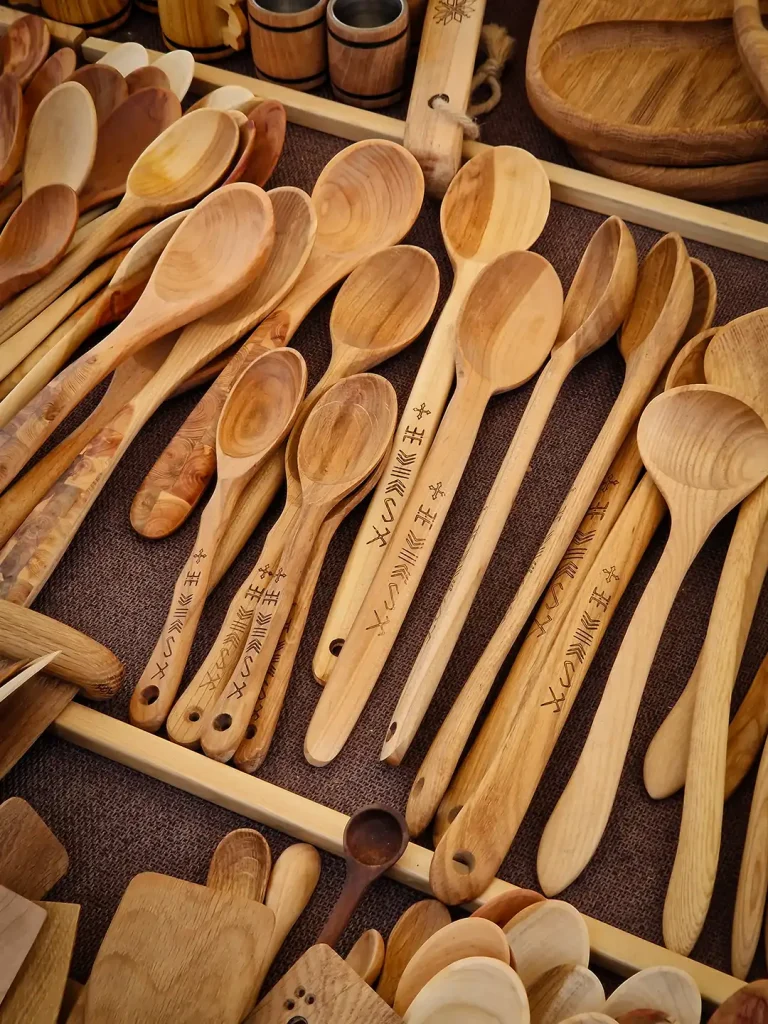
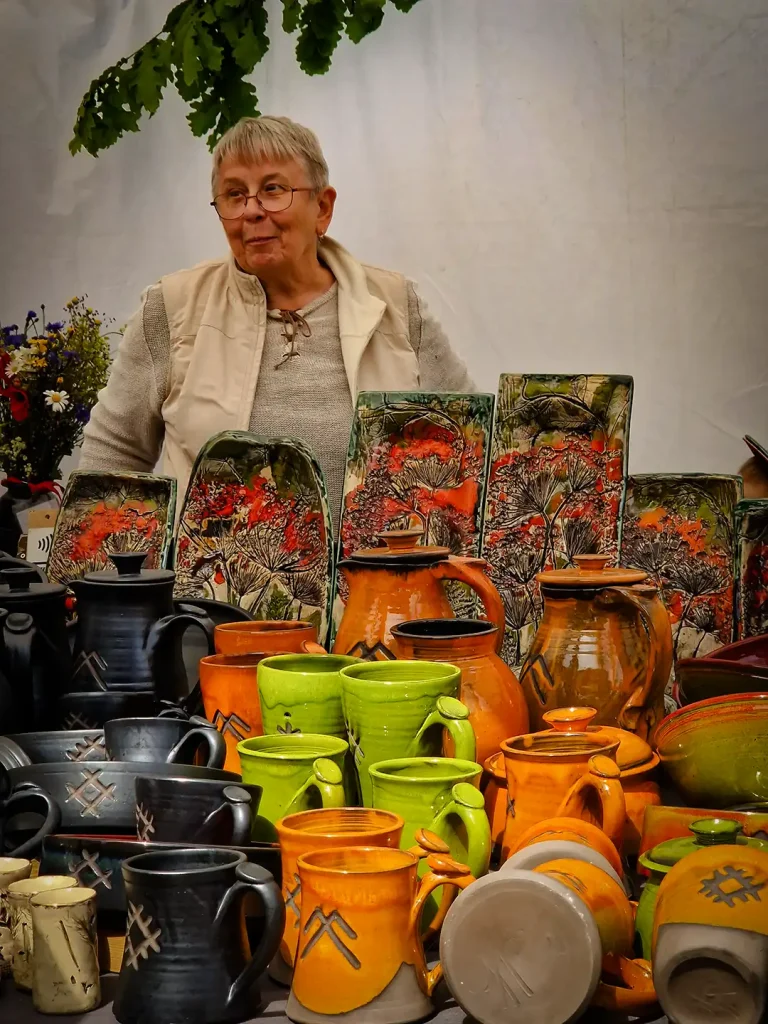
There were also these really nice felt animal masks — each one unique and full of character. Hand-carved wooden swords and bows for kids, and leather belts decorated with traditional Latvian symbols were on display too. Honestly, you could go full modern-day Viking if you felt like it — they even had horned hats for the brave fashionistas willing to pull it off.
Summer Solstice Crowns and Baltic Amber
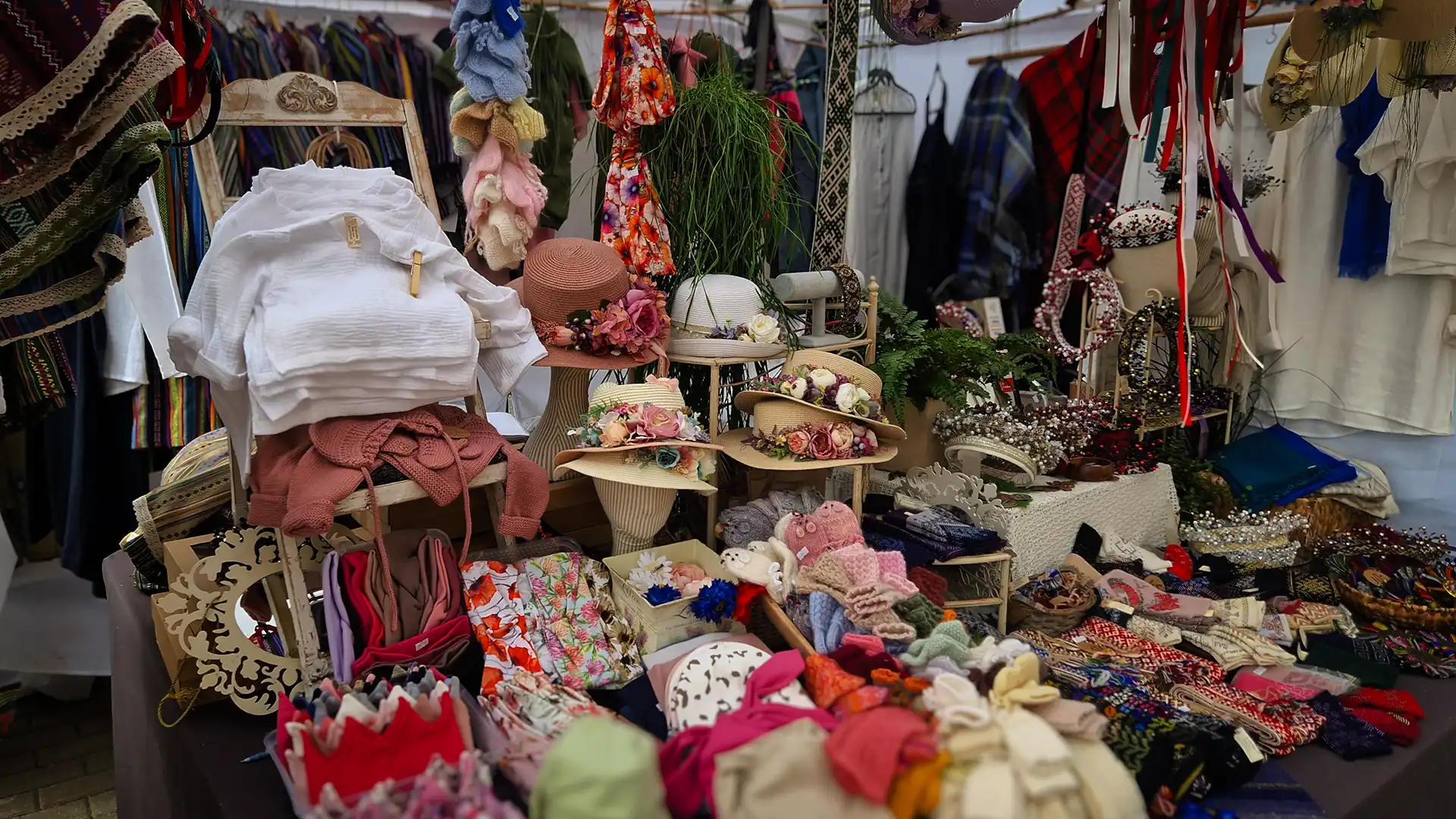
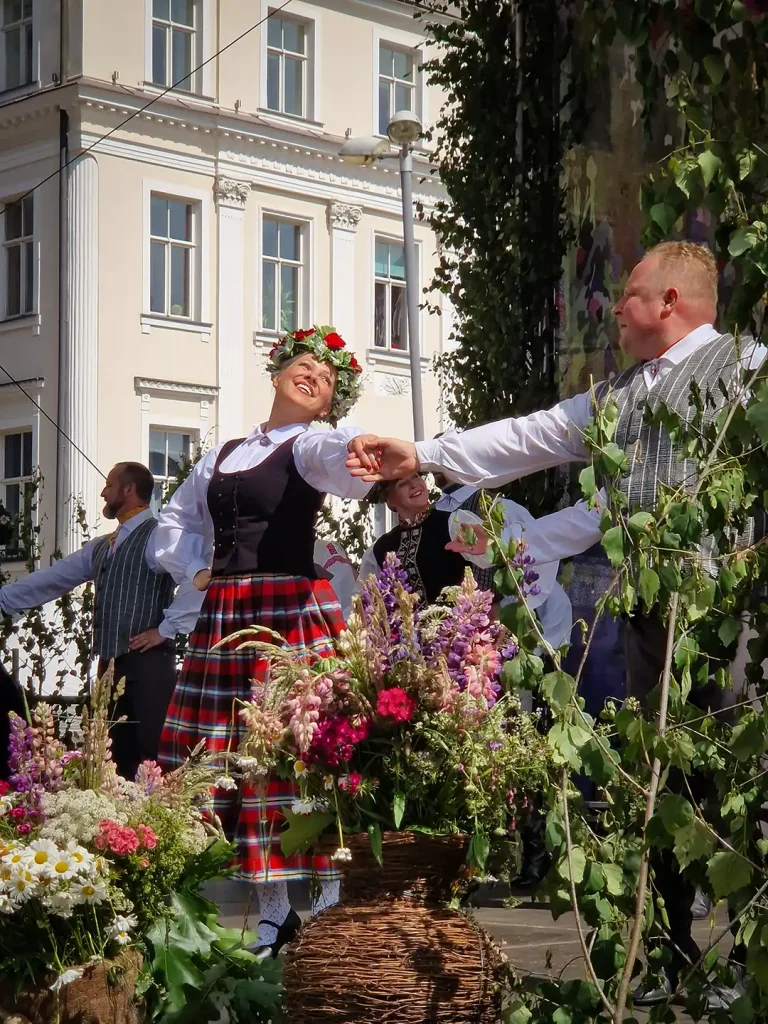
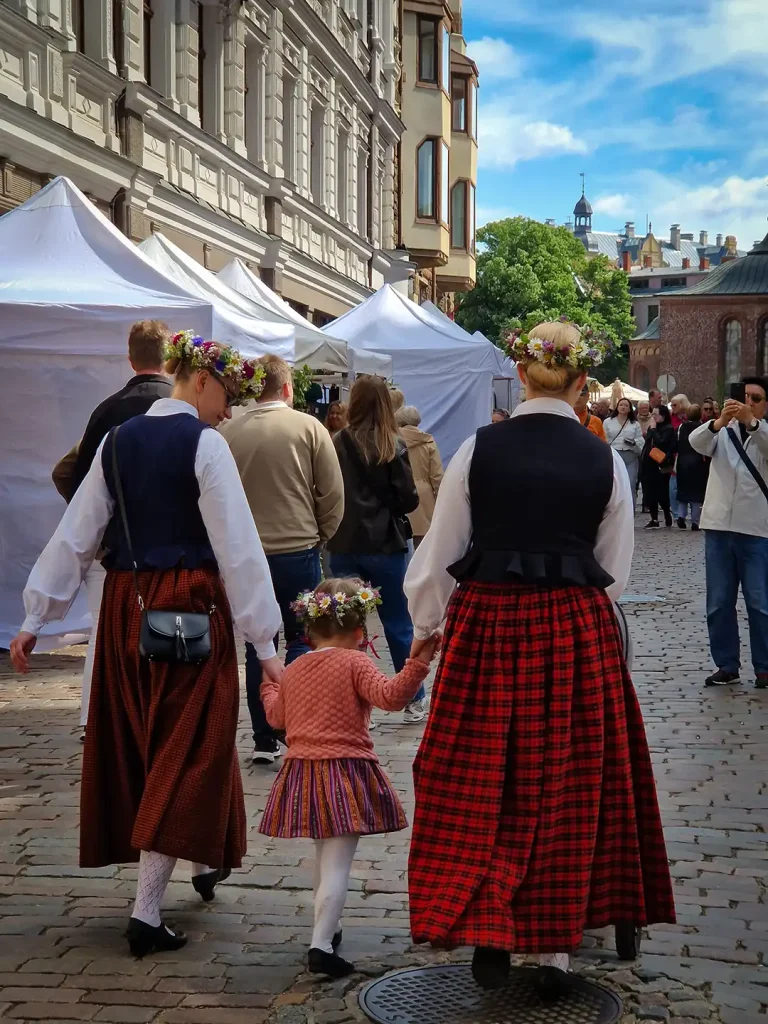
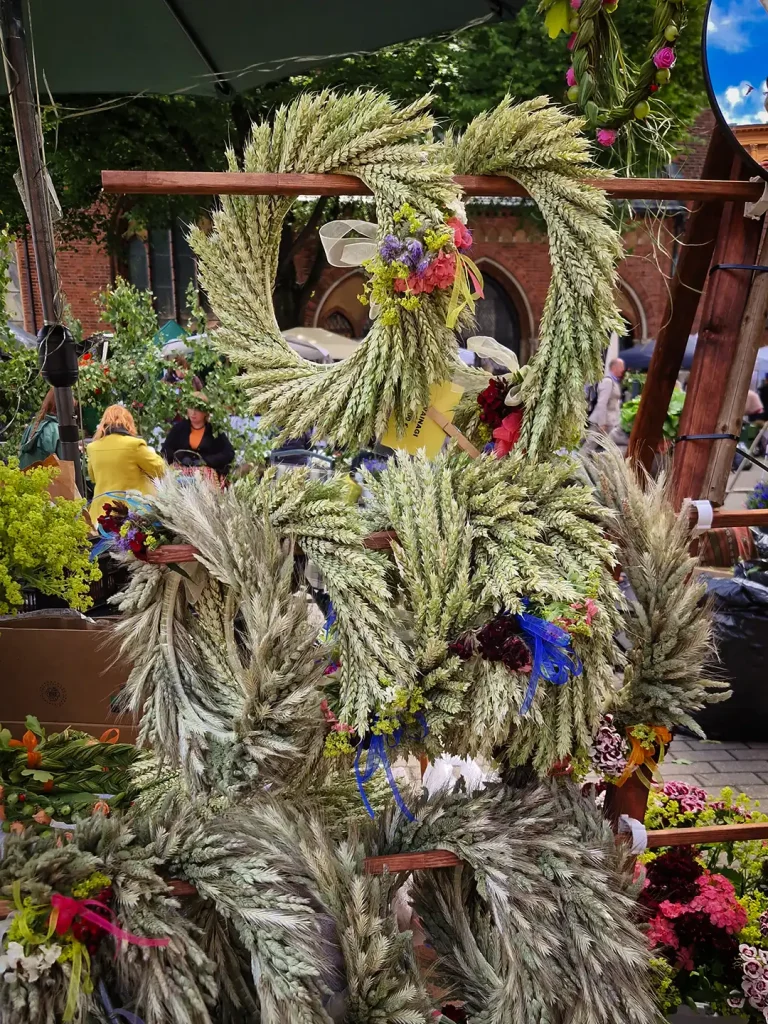
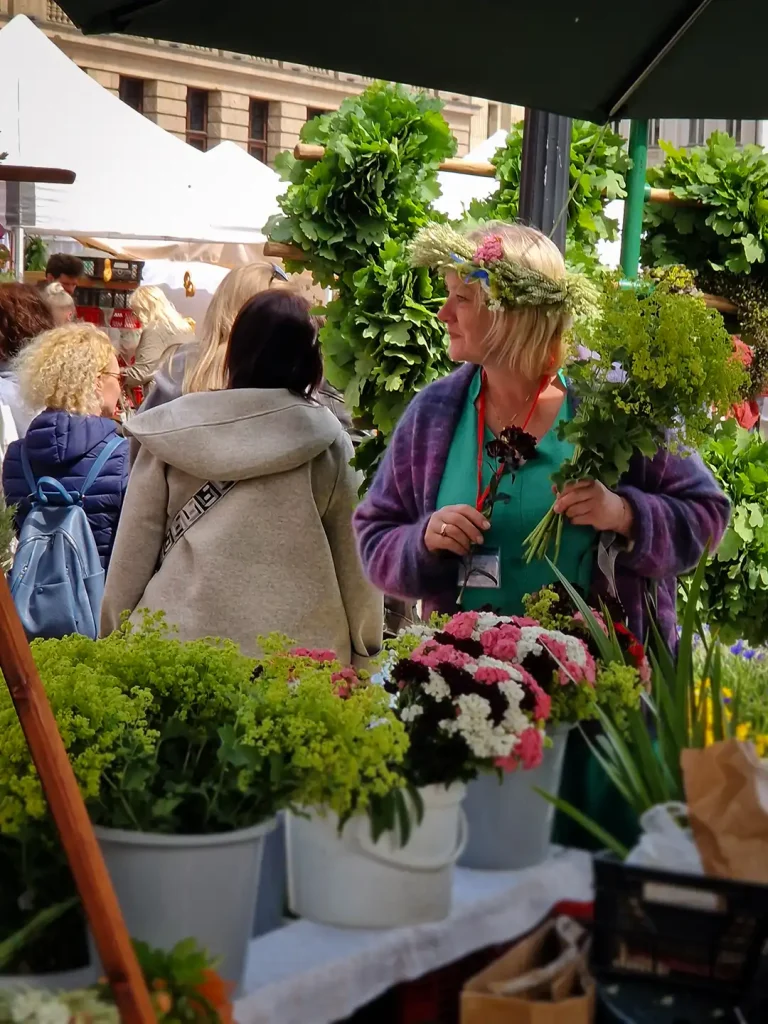
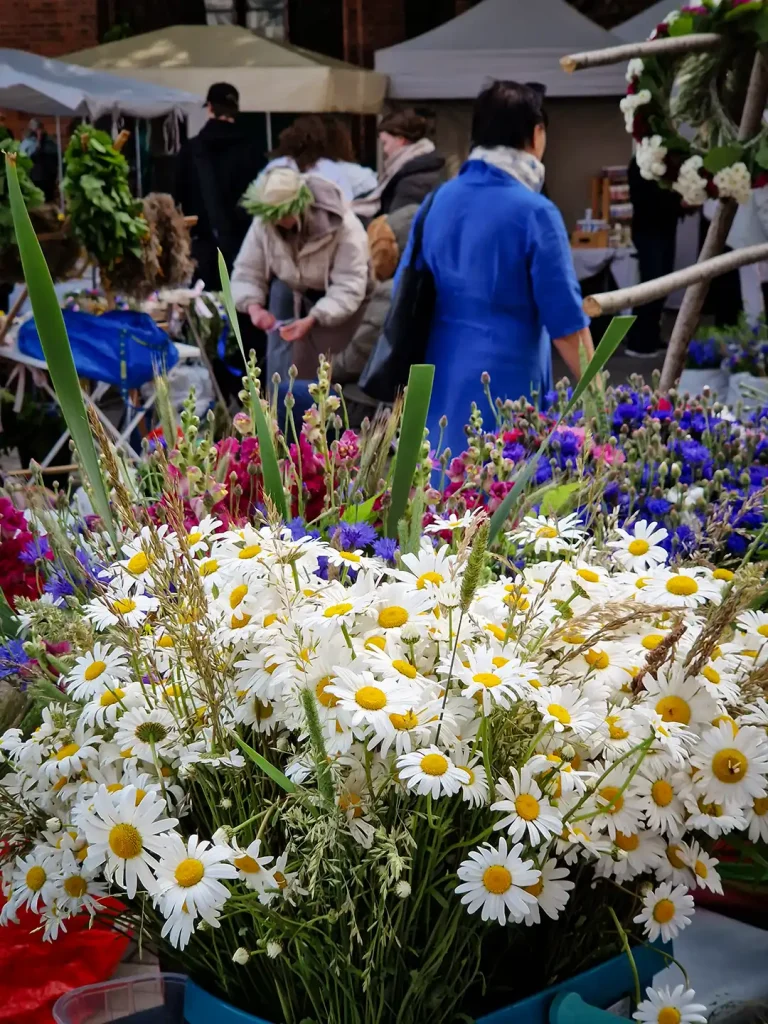
This part of the market had more of the seasonal stuff — you know, the things that only pop up around solstice. Like flower crowns for women made of meadow flowers (they wilt fast, but they’re beautiful for that one day), and oak leaf crowns for men — those look pretty epic, not gonna lie.
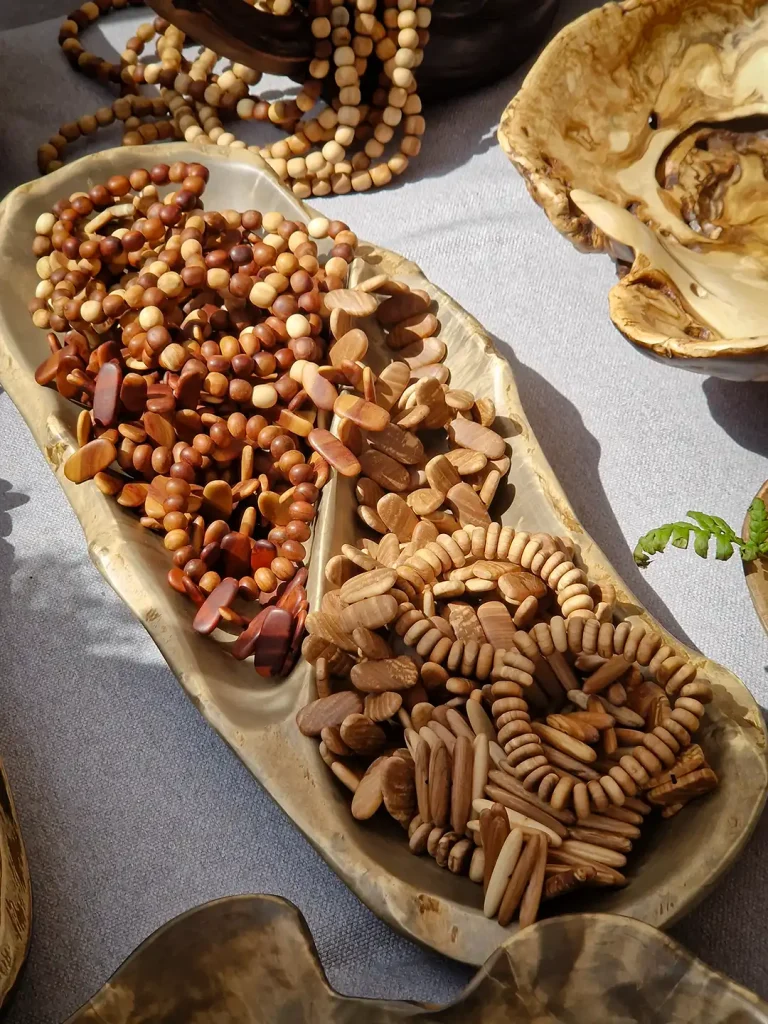
Right next to the Dome Church was a stand selling amber jewelry. It’s the real Baltic stuff — small pieces mostly (you can even try to find it yourself), because that’s what you can actually find naturally on the beach these days. Still, it’s kind of poetic to wear something the sea gifted you. Amber is everywhere here, in all forms, shapes and sizes. Bracelets, necklaces, little charms. I also got myself a wooden bracelet because I want to be like Jeremy Clarkson and wear way too many bracelets. That’s the vibe now, I guess.
Pagan Roots, Sugar Roosters, and Felt Dreams
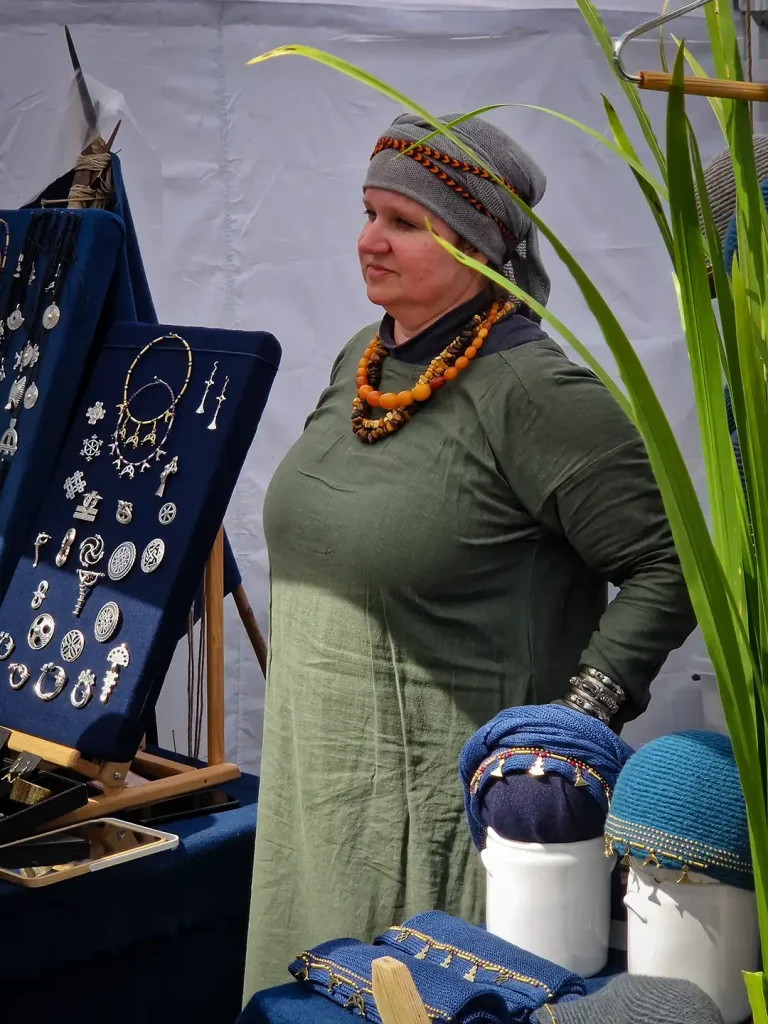
We as latvians have deep pagan roots so there’s a lot of symbolism in Latvian culture, craft and especially in jewelry. That is one thing to look out for in the local markets when you visit Riga. You can get really unique pieces that are uncommon in other countries. You just have to find the real deal like Baltu Rotas here in old town Grecinieku Street 11 or Skaista Rota on Blaumana Street 16/18 (both sell online as well) and not the cheap knock offs.
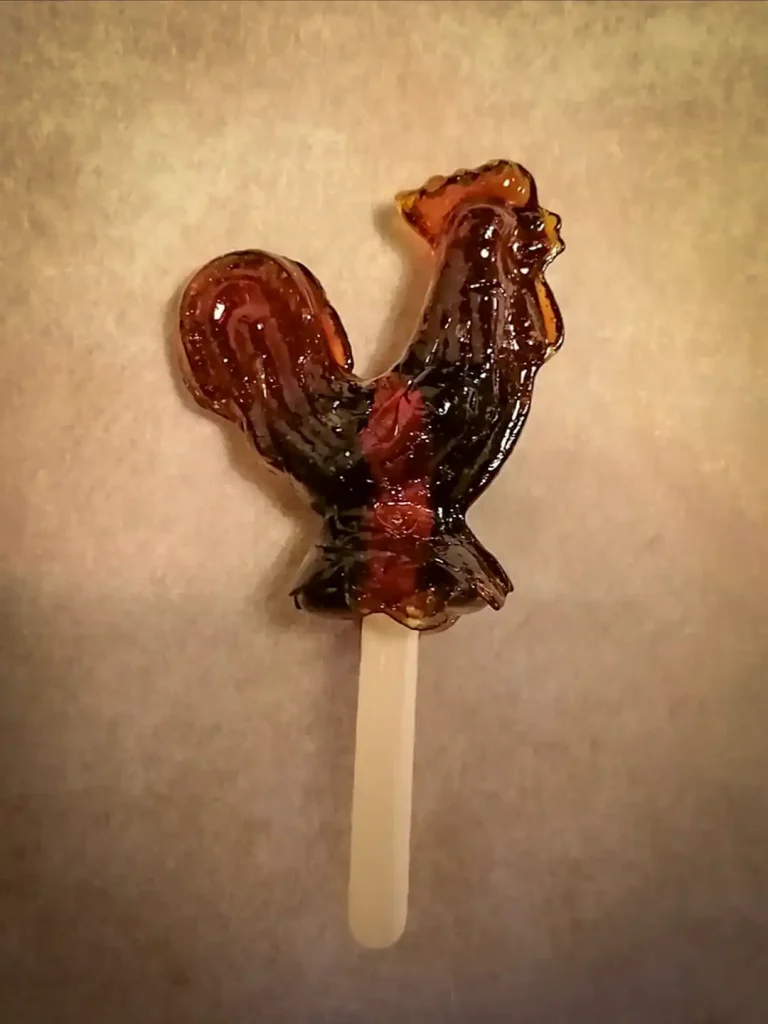
One candy that took me straight back to childhood was something we call a “sugar rooster.” It’s a hard candy shaped like the golden rooster that sits on top of the Dome Church — total Soviet-era nostalgia bomb. I had to get one for my daughter. Back then, as a country occupied by the Soviet Union, we didn’t have big-brand candy — or much of anything, really. These melted sugar roosters were our only store-bought candy treat. They were usually made on wooden ice cream sticks, which is a pretty iconic detail. You could close your eyes and still remember how the wood tasted after you finished licking the last bit of sugar your rooster.
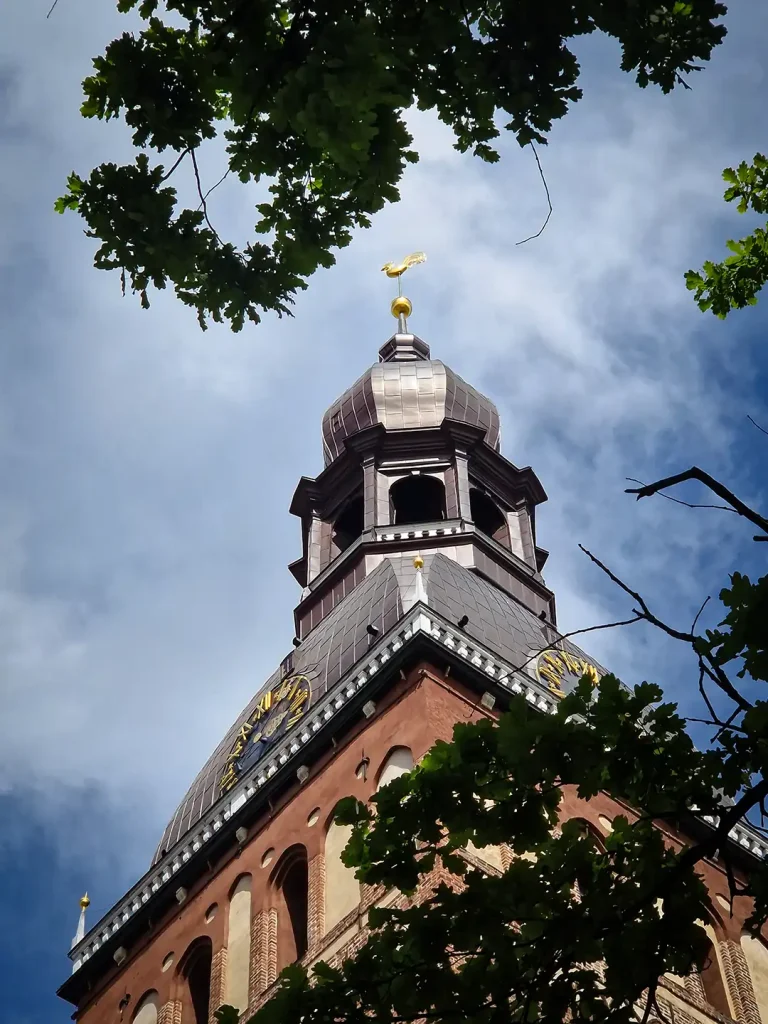
And do you know why there are golden roosters on top of Riga churches? If you’ve ever looked up at the church spires in Riga, you’ve probably noticed something unusual — golden roosters perched right on top. They’re not just there for decoration. Traditionally, these roosters acted as weather vanes, helping locals gauge wind direction from a distance. But they also carry deeper meaning. In Christian symbolism, the rooster represents vigilance and new beginnings — a reminder to stay awake, alert, and true, referencing the biblical story of Peter’s denial. Here in Riga, the rooster has taken on a bit of a local role too. It’s seen as a guardian watching over the city from above — a kind of golden protector keeping an eye on the streets below.
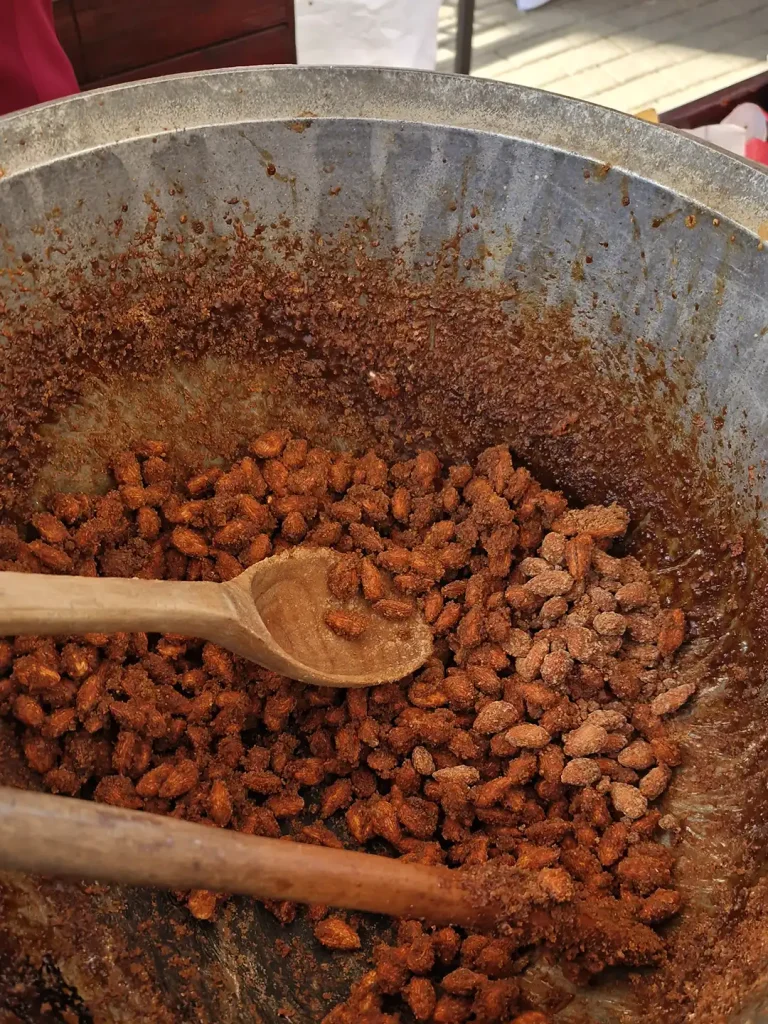
Also spotted: smoked meats (chicken, sausages, fish — all with that amazing golden-brown look), sesame seed and pumpkin seed flour (fancy), and roasted almonds — the sweet kind, and the garlicky “for men” kind, because apparently, we gender our snacks now.
It’s Hard to Film in a Crowd
Trying to film anything at these events is always a mess. People walking in every direction, kids running around, old ladies elbowing you for a sample of cheese. But it’s worth it for the atmosphere. There’s music, dancing, laughter, smells of smoked meats and matured cheese, and just this feeling of being right in the heart of something that’s been happening for centuries. Not a bad day to be out and about.
What I Took Home (Besides 200 Photos)
So here’s my little market haul:
- IPA from Cesvaine (haven’t tried it yet, but we’ll see)
- The legendary maple-leaf rye bread
- A wooden bracelet because…Jeremy Clarkson energy
- Roasted almonds
Wrapping It Up
By the time we hit the parking lot, my phone battery was almost dead, my bag was full, and my stomach was empty. We were starving. Definitely time to head home. But I’m so glad I stumbled into this. Riga’s Old Town always surprises me. One moment you’re checking your old sticker spot, the next you’re knee-deep in flower crowns and talking to a guy who brought live bees to sell honey.
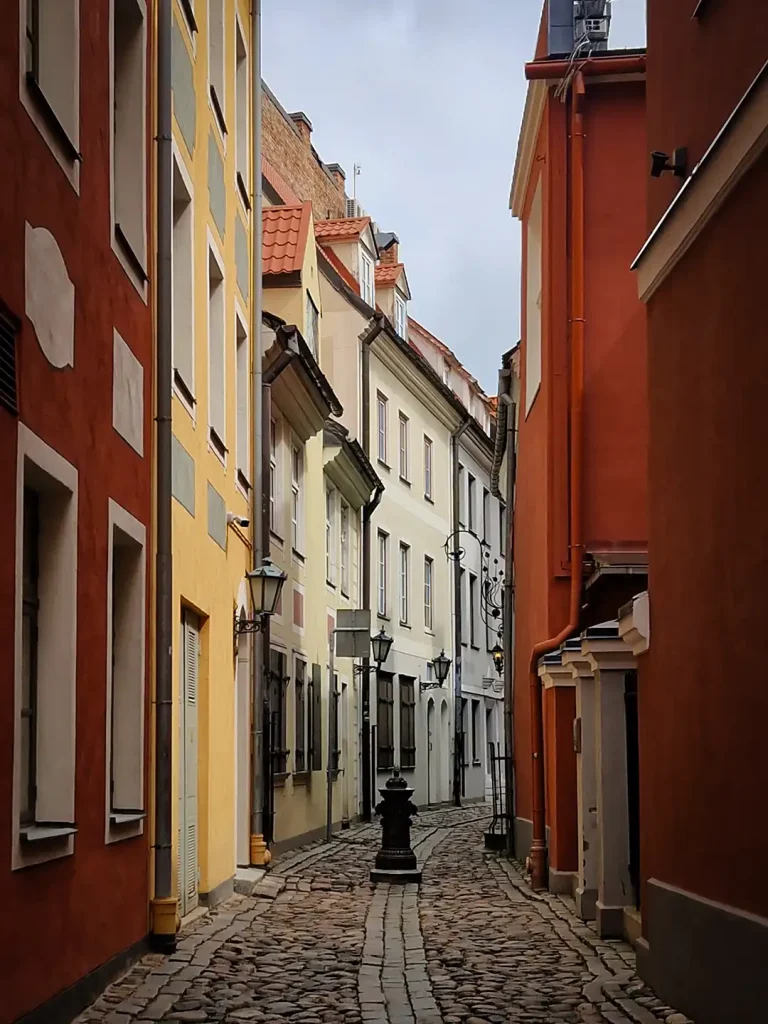
If you liked this little adventure, stick around. I post about art, travel, creative randomness, and everyday stuff that makes life interesting. Check out the photos from the market below — I promise they capture the vibe better than words ever could.
Until next time — be weird, be creative, and always say yes to roasted almonds.
Reply